Liam Keller

Back to 40 Under 40

2025 Yamaha

Liam Keller

Director of Orchestras
Chatham High School, Lafayette Avenue School
Chatham, New Jersey

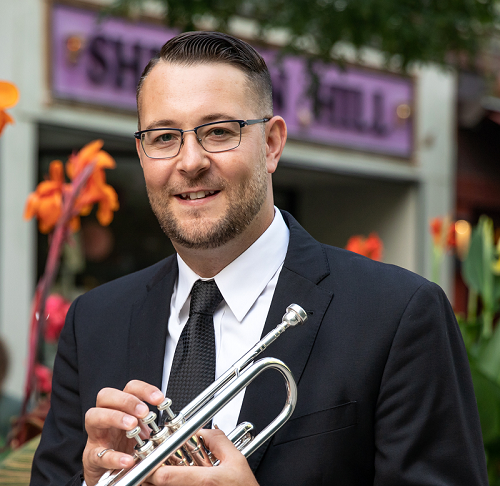
Liam Keller, Director of Orchestras at Chatham High School in New Jersey, credits his students’ “dedication, thirst for knowledge and constant chase of that next level of playing” as his driving forces. He’s always finding ways to challenge them to become better musicians. For example, Keller advises a senior and a freshman quartet. “These ensembles allow some of our most ambitious string musicians to focus their skills on a style that often is not approached in the typical classroom setting,” he says. “The communication skills that they learn help bring their school ensembles to a higher level.”

Keller also reaches out to feeder schools, parents and the community on a regular basis to keep them abreast of what’s going on with his program. The annual Instrument Sizing Day is “to ensure that students are set up for success from the beginning, and to offer older students the opportunity to upgrade their instruments and try the next level of instrument,” Keller explains. “This event also gives me time to build connections with current students, reconnect with past students and meet incoming beginners.

Keller started Parent Orchestra Night after hearing from parents who wanted to help their children but didn’t know where to start. “These beginner boot camps teach parents to read music, set up an instrument and even learn beginner skills to help reinforce what we do in class at home,” he says.

He started a similar program for the community called Community Open House. “Local residents can come and explore what makes our program so wonderful,” he says. “People can experience being a musician. No experience is required and it is a low-stress exploration of string instruments to give them an appreciation of what the students do every day.”

In 2023, Keller was approached by the New Jersey Symphony about a partnership for symphony musicians to work with Chatham students. “What began as a once-a-month group lesson has grown to include four coaches who work with all orchestra and band students grades 3-12. This program exposes them to the highest levels of playing and musical education,” Keller exclaims.

Keller is grateful that his district celebrates the arts. “Our students can experience professional musical experiences in an educational setting so that they are fully prepared to thrive in the real world,” he says

Continue reading

Lilly Streich

Back to 40 Under 40

2025 Yamaha

Lilly Streich

5-12 Vocal Music Teacher
Galena Unit School District
Galena, Illinois

Lilly Streich always knew she wanted to pursue music. She basically grew up in her father’s drum store, The Drum Pad, and remembers clinics at the store that featured some of the greatest drummers in the area. “I began taking my first music classes at Kindermusik before I could walk,” she exclaims.

The value of music is embedded in her, and Streich is dedicated to making music accessible to all students at Galena Unit School District. An example of this commitment is when she helped to create adaptive music classes for special education students. “With lower elementary students, we worked on basic steady beat, taking turns playing instruments, moving our bodies to the music, instrument exploration and vocal exploration,” she explains. “With middle school students, we worked on rhythm reading by playing African drums and bucket drums, boomwhackers to learn note names, and one-hand piano songs. These students were able to play Christmas carols at the holiday assembly at the end of the semester, and it was such a joy to see them perform in front of their peers!”

The general music curriculum for grades 5-7 that she developed focuses on fun. “We only have 12 weeks with each homeroom, so I prioritized 1) learning an instrument that students could continue to play outside of the classroom, 2) showing students how music relates to other content areas, and 3) exposing students to new music genres,” Streich says.

Another program she started is the choir mentorship program to make the transition from middle school choir to high school smooth and less intimating. “High school students meet with their middle schooler about once a month, and then we would have larger group gatherings,” Streich explains. “The hope was that when middle school students engage with high school students, they are meeting their future peers and can feel confident in their transition to high school.”

Streich also seeks new opportunities for her students, such as singing in festivals around the Midwest, taking them to music camps, and offering private lessons. Her efforts have paid off! Enrollment in her music ensembles have tripled and her choirs have experienced rapid growth in the last two years. “When students say that music and choir are the best part of their day, I know that music education is where I am meant to be,” she says with a smile.

Continue reading

Dr. Aaron J. Witek

Back to 40 Under 40

2025 Yamaha

Dr. Aaron J. Witek

Assistant Professor of Trumpet,
Coordinator of Brass and Percussion
Stetson University
DeLand, Florida

Since Dr. Aaron J. Witek’s arrival at Stetson University in DeLand, Florida, the trumpet studio has tripled in size and has attracted top-tier talent, including all-state-level musicians. The Assistant Professor of Trumpet and Coordinator of Brass and Percussion started the Stetson Trumpet Ensemble, which has consistently advanced in the National Trumpet Competition, reaching new milestones, including live rounds for the first time in school history.

“The Stetson Trumpet Studio is more than just a class — it’s a community,” Witek says. “We’ve worked hard to build a culture of dedication, but also one where we help, encourage and celebrate one another, creating an environment where everyone feels valued and connected.”

Witek is known for his ability to sense when a concept or musical idea isn’t resonating with students and how to help them. “I believe there are many ways to solve a problem, and I just don’t give up,” he explains. “For example, with air support, if one method doesn’t work with a student, I’ll try another. Maybe an analogy like ‘cooling soup air’ will help, or a simple cue word or sensation like ‘feel the air on the lip.’ Sometimes it’s a combination of visualization and the feeling of blowing forward air while keeping a pinwheel spinning. I might even increase the demand of air by having the student play flutter tongues or with a mute in. Often, it’s a blend of different approaches that leads to success.”

His students have achieved notable successes, such as winning the Stetson in New York Solo Competition, earning International Trumpet Guild scholarships, and advancing in Army Band auditions. “These accomplishments, alongside a supportive and structured learning environment, have elevated the studio’s reputation and performance standards to unprecedented heights,” he says. “I’m also proud of the curiosity they develop, working together and becoming a close-knit community. Seeing them teach others and pass on the love of music and helping others has been a truly fulfilling part of this journey.”

In addition to his role at Stetson University, Witek is an active performer and a sought-after clinician. He is also the Brass Captain Supervisor for the Crossmen Drum and Bugle Corps. “The leadership role I hold in DCI has greatly enhanced my skills, which I apply in academia, particularly as the Brass and Percussion Area Coordinator,” he says. “This experience also supports my involvement in committees and advocacy for students and faculty. On the flip side, my academic expertise in teaching brass mechanics and musicality has influenced my approach in DCI, encouraging a fresh perspective in teaching the activity.”

Witek adds that leading large rehearsals with spectators at DCI has “bolstered my confidence in teaching those who plan to become educators. The expertise I’ve gained in ‘cleaning’ an ensemble and improving clarity in performance at DCI has also proven invaluable in guiding our trumpet ensemble at Stetson.”

Continue reading

Dr. Rachel Woolf

Back to 40 Under 40

2025 Yamaha

Dr. Rachel Woolf

Assistant Professor of Flute
The University of Texas at San Antonio
San Antonio, Texas

Thanks to Dr. Rachel Woolf’s enthusiasm and creative approach to teaching, the flute students at The University of Texas at San Antonio are described as being “on fire.” Woolf fosters student success by building a supportive community rooted in excellence and artistic growth. “I balance lessons with a focus on tone, technique, etudes and repertoire, while cultivating body awareness,” she explains.

In her Flute Studio classes, Woolf and her students sit in a circle to create an equal, collaborative environment. “To cover a wider range of concepts most efficiently, I developed a tone/technique warm-up packet over the last few years, which includes all major and minor scales, raga-inspired melodies and a variety of interval exercises — all designed to be played with a drone,” she explains. “Drawing from my interest and background in North Indian classical music, I introduce students to the tanpura drone, which can easily be found on YouTube. I have observed significant progress in students who practice a different key area each week using the drone, as it helps them focus on tone, pitch, intervals, finger work and theory skills, while encouraging improvisation, deep listening and thinking beyond the measure lines. I am working towards publishing this soon!”

Each year in late summer/early fall, Woolf holds the UTSA Flute Day, a time when Texas Flutists can jump start their all-state etude learning with a day focused on tone, technique and a flute choir reading session to build community.

In the summer of 2024, The National Flute Association’s Convention (NFA) was held in San Antonio, so Woolf founded the San Antonio Youth Flute Choir to perform at the convention. The choir participated in the final performance of the NFA Youth Flute Day. “We welcomed talented middle school and high school flutists from all over the San Antonio metro area and showcased the rich musical heritage of our city,” Woolf says proudly. “I commissioned a piece by UTSA composition alum Dominic Valadez, who also arranged three works by Chicana artists — Selena, Azul Barrientos and Eydie Gormé — and co-directed the ensemble with me. It was truly an unforgettable experience.”

Woolf traveled to South America to perform and teach at the World Flutes Festival in Mendoza, Argentina, as well as at Universidad de Talca and Universidad Alberto Hurtado in Chile. “During this life-changing experience, I had the opportunity to meet, teach and perform alongside many beautiful flutists and musicians from around the world,” she says.

She taught multiple five-hour masterclasses to flutists in Argentina and Chile, both with and without translator. “This experience gave me a profound appreciation for the true universality of music and the flute, as well as the immense positive impact music educators have within their communities worldwide. Music is a universal language,” she exclaims.

Continue reading

Kim Webb

Back to 40 Under 40

2025 Yamaha

Kim Webb

Director of Bands
Greene County Tech School District
Paragould, Arkansas

As Director of Bands at Greene County Tech School District in Paragould, Arkansas, Kim Webb promotes the motto “Belong, Believe, Become” with her students. “Make everyone feel like they belong. Believe in yourself and in each other. Become the best version of yourself. Become the best band we can be. We stick by this motto,” she says proudly. 

In order to live by this creed, some tough decisions had to be made. For example, in her first year as director, Webb said that it was clear that the budget allocated to the music program wasn’t sufficient. “We went over several options and decided to cut the 6th-grade program. This allowed us to open up some funds to add high school jazz band as a class period,” she explains.

The jazz class was so popular that the following hear, a junior high jazz class was added. The lesson? “We weren’t able to add money to our budget, so we got really creative about how to maximize the money we did have and add opportunities for our students,” Webb says. “It hurt to lose the 6th grade band, and we worried about how it would affect our program as a whole. We did have lower recruitment numbers for 7th grade, but twice the retention rate, and our high school numbers remained about the same.”

Over the next decade, Webb fought to increase her budget. Armed with data about the program’s statistics, costs, comparisons to other schools and more, Webb was vocal about her program’s needs — not wants — to all the stakeholders, in particular, the superintendent, at numerous meetings. “Advocacy is one of the largest parts of being a music educator because no one recognizes your needs except you and your students,” she exclaims. “You must make your voice be heard!”

Webb improved and expanded the program using the increased budget and fundraising dollars. She added an indoor percussion program as well as winter guard. “We knew our program was ready to add these groups, and they were crucial in the success of our marching band,” she explains. “They helped our students retain skills through spring, and the students who followed the original group were exponentially stronger.”

After years of attending the same competitions, Webb chose a more competitive route that took her band outside of Northeast Arkansas. “We started attending a few prelims/finals competitions and saw how judging at a higher level was different that what we were used to,” Webb says. “This helped us step up our game, and in 2023, we attended our first BOA competition. What a game changer! Exposure to higher level bands gave my kids a higher sense of motivation.”

In 2023, Webb split the high school concert band. Her top musicians tackle challenging repertoire, while the second band focuses on “building fundamentals so they can improve their skills so that when they join the full band, there isn’t a huge learning gap,” she says.

Webb often presents clinics on challenges facing women in music education. “There are a lot of states — mine included — where the majority of band directors are men,” she explains. “It’s important to not let people intimidate women into thinking that their place is in junior high, middle school or elementary school. There is a place for women in every single music education job, including being the head director. If that’s your goal, do it!”

She recalls marching competitions when the males on her staff or band dads were approached because people assumed they were the director. Webb’s advice? “As a woman, you have to teach them how to treat women. Ditch the polos. Wear your pink and your dresses and cute business wear. And, most importantly, be vocal and be adamant! They won’t know how you feel unless you say something.”

Continue reading

Riley Warren

Back to 40 Under 40

2025 Yamaha

Riley Warren

Director of Percussion, Assistant Band Director
Forney High School
Forney, Texas

Several years after joining the Forney High School Band staff as Director of Percussion and Assistant Band Director, Riley Warren started the Forney ISD Middle School Indoor Drumline. “The beauty of this group is that it creates opportunities for our middle school students to perform together and advance their percussive skills, while also providing leadership roles for our high school students, who serve as the primary instructional staff members of the ensemble,” he explains.

“At any given rehearsal, we will have 10 or more high school students instructing the middle schoolers. This helps foster a positive relationship between our high school and middle school programs, and gets our middle schoolers even more excited to join band and percussion in the future,” he says.

Warren’s well-structured teaching approach “starts with the development of the individual musician. Great programs are made up of great individual musicians,” he explains. “We spend a lot of time year-round developing specific skill sets in each student.”

In the fall, his students are given a 12-week pass-off sheet that guides them in learning the Texas All-State Etudes. They receive feedback on the etudes from Warren, their private lesson teachers, or virtually through video submissions. The spring semester focuses on solos, with students preparing a snare drum and mallet solo of their choosing. At the end of the year, they perform their solos for a judge.

This approach has proven to be successful because Warren’s percussion ensemble performed at the Percussive Arts Society International Convention (PASIC) in 2022 and at the Midwest International Band & Orchestra Clinic in 2023.

Outside of his work at Forney High School, Warren started Rhythmic Wavelengths, a percussion arranging and consulting business. “Working with other percussion directors and their students has become one of the greatest joys of my life,” he exclaims. “Throughout the year, I visit clients for a full day or just a morning or after-school rehearsal. At these consulting sessions, I am able to work one-on-one with students or even run an entire rehearsal. Afterward, I meet with the director to debrief and make a plan to help them accomplish their goals.”

In 2023, Warren started the “Dream Job” podcast with his colleague Shannon Jacobs. “To me, teaching music is a dream job,” he says with a smile. “Despite the many challenges prevalent in the education field, at the end of the day, how lucky are we to be able to help young people become great musicians?”

During the pandemic, Warren noticed that more and more music educators were leaving their teaching positions. “This made me think of how I would feel if I were a high school or college student considering music as my career, which motivated me to start the podcast,” he explains.

Warren and Jacobs have interviewed over a dozen notable high school music educators, college professors, fine arts directors and industry professionals on “Dream Job.” “Our hope is that these conversations will inspire young — and even seasoned — music educators to continue teaching music in a world that seems to value education less and less,” he says.

Continue reading

Dr. Andrew Stetson

Back to 40 Under 40

2025 Yamaha

Dr. Andrew Stetson

Director, School of Music
Texas Tech University School of Music
Lubbock, Texas

Dr. Andrew Stetson, the Director of the School of Music at Texas Tech University, pioneered the Music Humanities program to engage students from diverse academic backgrounds and to highlight the importance of music as an essential tool for fostering critical thinking and creativity. “With the advances in technology, it’s clear that creative thought is going to be a commodity in the future, and music is the best way to access creativity,” Stetson explains. “With that as our foundational thought, we are embarking on a plan that opens our doorways to students from across the university so they can experience music and creative activity firsthand. We think it will change their lives and help build a better future for all of us!”

Change is something that Stetson has embraced. He transformed the reputation of the School of Music into one based on cohesiveness, forward-looking vision and trust. How did he accomplish this? “Two words: Open Door,” he says matter-of-factly. “I make a point of being available to everyone and try to make sure I’m accessible for questions, etc. We also post all information from meetings so everyone can see how decisions are developed. That blend of accessibility and transparency help us build a more cohesive unit.”

Stetson applied this same productive attitude to enrollment practices and growing the school’s donor base. ”Communication is always number one. One of the strengths of our program, and something I try to embody, is that we over communicate with everyone,” he says. “Our potential students hear from us constantly, our donors know what we’re up to every day. In this way, we let people know what’s going on, but we also let them know that we care about them and that we want them to join us and be a part of what we are doing.”

Through outreach, Stetson was able to connect Texas Tech with the surrounding community. “The best part about our community program is that it didn’t need any kind of launch,” he says with a smile. “Lubbock is a thriving arts community, and many of the programs already existed. All I did was reach out to the people in charge and look for ways Texas Tech could help.”

Many of these programs simply needed a home or a space to perform that was affordable, and Texas Tech was in a position to provide that. “After a few years, we moved from an existing community chorale program to now partnering with a local civic orchestra and a community concert band,” Stetson explains. “I love seeing the community come to our building to attend our concerts and engage with music in a more direct way.”

Continue reading

Michael Schnell

Back to 40 Under 40

2025 Yamaha

Michael Schnell

Middle School Band Teacher
Oostburg School District
Oostburg, Wisconsin

Because Oostburg High School and Oostburg Middle School share the same building, Michael Schnell, the Middle School Band Teacher, proposed starting a Music Production course for high school students. “One of my favorite classes when I was in high school was Music Theory. I also enjoy songwriting and incorporating technology in my classes,” he says. “I wanted a class that included these topics in a relatable way, so with some funds from our music department, we created a small music production lab.”

In the last few years, the class has grown and now the students release class albums on streaming services at the end of the year. “This class has allowed us to explore the creative process and the importance of creativity. It has become a major creative outlet for many students,” Schnell says proudly.

He introduces music production at the middle school level as well — in studio classes that each grade attends for one quarte. Schnell uses this class to teach his students piano, basic beats, music production with GarageBand, and performance skills. “Using popular music that students recognize and enjoy helps connect them with the music-making process,” he explains. “We also discuss how all these different skillsets build off of each other to help us grow as musicians.”

Under his direction, the middle school band program has grown with about 65% of the student population participating in band. Between band and choir, a whopping 90% of middle schoolers are enrolled in a music class. Schnell keeps recruitment numbers high by taking his middle school band to visit Oostburg Elementary, located across the street from the combined middle and high school.

The 8th-grade band plays holiday music during the elementary school lunch on the day before winter break. The 7th-grade band visits 5th-grade classrooms for one week in the spring, each day focusing on a different instrument section. The 6th-grade band performs for incoming 5th-graders when they come to tour the campus on move-up day. “We tell them that in one year they will be playing for the new incoming 5th graders themselves,” Schnell says. “With the size of our community, we are lucky to have the opportunity to really get to know the families of our students.”

The Oostburg School District and the community place a high value on the arts. In 2022, a referendum was passed that included remodeling the theater, doubling its capacity as well as providing state-of-the-art audio and video technology. In 2023, with funding from the Oostburg Community Education Foundation (OCEF), the Bruce Krier Charitable Foundation and community donations, “we purchased a Yamaha Grand Piano for our theater, which has increased the level of musicianship for students during concerts, events and lessons,” Schnell exclaims. “Everyone from our superintendent, building principals, staff and community are advocates for the importance of arts education.”

Continue reading

Annie Ray

Back to 40 Under 40

2025 Yamaha

Annie Ray

Orchestra Director and Performing Arts Department Chair
Annandale High School,
Annandale,Virginia

Orchestra Director and Performing Arts Department Chair Annie Ray launched the Crescendo Orchestra for students with significant and severe disabilities at Annandale High School in Virginia. The seeds of the orchestra started in 2017, when twin brothers with significant disabilities were in her general elementary strings class that met once a week for 30 minutes. She struck up a friendship and collaboration with their mother and began modifying materials.

Ray started her job at Annandale High when COVID hit and was splitting her time between the high school and elementary school. Special education students came back to school first, and she invited them to her classroom to make music. “Alongside their special education teachers, paraprofessionals, occupational therapists and instructional assistants, we spent an entire year breaking down traditional string education until we had a fully written-out curriculum. We’ve been able to run it as a dedicated course since then,” she says proudly.

“Our approach is framed around students with disabilities having the right to truly learn how to play a musical instrument, and not just be socially included,” Ray explains. “The students perform at every concert, just like their general education peers.”

Like Ray, other educators have developed their own programs for working with students with disabilities, while others work with organizations like United Sound and Giving Bach. “I encourage all programs to look into prioritizing inclusion either on their own or with these organizations, which are a fantastic resource,” Ray says.

Outreach to parents is another concept that Ray has embraced. In 2018, she co-founded the Fairfax Arts Coalition for Education Parent Orchestra to provide parents and caregivers with some understanding of what happens in the music classrooms. The idea of a parent orchestra came from Ray’s mentor Brian Coatney, the Director of Orchestras at Wylie High School in Texas. “The Fairfax Parent Orchestra started with about 30 caregivers and have grown to 225 participants with four levels of ensembles — from adults who have never touched a musical instrument to those revisiting a forgotten-about violin in the back of their closet,” Ray says with a smile. “We meet twice a month and have been fortunate to perform at the Midwest Band and Orchestra Clinic!”

Parents can see what is actually happening between the notes and rhythms on the page and the resultant increase in parent involvement in the booster organizations is beneficial. However, Ray explains that there is so much more that comes from educating parents on the process their students go through as a new musician. The Parent Orchestra is an advocacy and educational tool used by parents and administrators. It’s also an experiential professional development opportunity and an mentorship avenue. Most of all, it bridges divides, Rey says.

Connecting is the underlying theme for Ray’s approach to teaching. “I am honored to teach at a school where students come from 66 different countries, speak 59 different languages, and our programs are made up of a vibrant mix of backgrounds, perspectives and strengths,” she exclaims. “For 81% of our students, a language other than English is spoken at home, and over 70% fall below the poverty line. In a world where that diversity can sometimes lead to conflict, investing in the whole student and meeting every student where they are at has been our foundation for understanding, community and progress.”

Ray considers herself lucky to have taught at the elementary, middle and high school levels in this community. “I am fortunate to have had my entire perspective shift on ‘why music education matters’ because of what they taught me,” she says. “To have grown alongside these students and watch them learn to take ownership of this program is one of the greatest gifts of my life.”

Continue reading

Joshua Race

Back to 40 Under 40

2025 Yamaha

Joshua Race

Director of Bands
Fountain-Fort Carson High School,
Fountain, Colorado

In Joshua Race’s classes at Fountain-Fort Carson High School in Colorado, students learn more than music — they become more aware of their own thought processes. The Director of Bands uses metacognitive strategies to help students reflect on their learning and musical performance. By setting individual and group goals, students assess and adjust their approach as both individuals and ensemble members. “I model my thought processes and ask guiding questions to encourage critical thinking and self-reflection,” Race explains. “This helps students become more aware of how they think, problem-solve and improve during rehearsals. As they understand their own learning better, they become more engaged, leading to deeper growth and a stronger connection to both the music and the ensemble.”

His strategy works because enrollment in the Fountain-Fort Carson band program has more than doubled. Race credits teamwork with the feeder schools so students have a smooth, connected experience from middle school through high school. “The band program has become what students call their ‘huge family,’ a place where they feel accepted and appreciated,” he says with a smile. “We’re focused on creating a positive, supportive environment while striving for musical excellence and making sure every student has the best experience they can during their time in the program.”

The program’s growth is impressive, especially when you realize that many students come from military families. “Some are with us for just a year or two, while others stay all four years,” Race explains. “It’s a reminder of how powerful music can be — providing a sense of stability and belonging for students, no matter where they come from. Whether they’re adjusting to a new school or community, music offers a consistent, welcoming place where they can connect, grow and find a sense of home in their education.”

Outside of FFCHS, Race founded the Fountain Valley Community Band to bring together community musicians and to offer music teachers a space to reconnect with their passion for performing. “Joining a community band as a freshman in high school had a lasting impact on me,” he recalls. “Community bands bring together people of all ages and skill levels, from seasoned professionals to students who are just beginning their musical journey. The real value lies in the shared joy of making music together.”

Race also actively connects with directors in the area to offer support. He’s even visited several schools, worked with bands and offered mentorship to younger directors. “We’re all in this together,” he says.

Continue reading

Nicholas Popovich

Back to 40 Under 40

2025 Yamaha

Nicholas Popovich

Music Technology Teacher
Shadow Mountain High School
Phoenix, Arizona

Paradise Valley Unified District in Arizona offers an arts academy, North Valley Arts Academies (NVAA), where K-12 students at Desert Cove Elementary School, Shea Middle School and Shadow Mountain High School can take courses in dance, theater, visual art and music technology. Nicholas Popovich designed NVAA’s music tech program, which is built on a foundation of exploring sound creation and production. He maximized the available tools that provide deep engagement with all aspects of making music using technology, innovative use of hardware, software, equipment and instruments. “This holistic, project-based learning environment allows students to use Digital Audio Workstations (DAW) to compose, edit and produce original music while learning to think creatively,” Popovich explains. “Students collaborate and pool individual strengths and resources, which enhance the learning process through peer-to-peer interaction,” Popovich explains.

The program incorporate the latest hardware and software, which ensures that student experiences meet industry standards. Popovich also broadens learning through innovative interdisciplinary projects where music tech students work alongside their art, dance and theater counterparts. Academy students also visit cultural institutions and meet guest artists from the fine arts community.

“Music Technology graduates are well-prepared for various pathways,” Popovich explains. “Many pursue careers in the industry upon graduation. Moreover, students gain the skills necessary to continue making music as a lifelong endeavor, offering a constant creative outlet for self-expression.”

Through a partnership with the Paradise Valley Community College (PVCC) Music Industries program, Popovich’s students can earn college credits through dual enrollment courses. PVCC faculty provide presentations, workshops and master classes on advanced topics, and students collaborate on live performances and multimedia productions, which gives them a glimpse into the college experience.

Beyond PVCC, the community has been remarkably supportive of Shadow Mountain’s music tech program. “Partnerships thrive with local organizations, providing students with invaluable real-world experiences,” Popovich explains. “These partnerships enrich the program and offer valuable networking opportunities.”

Grants from organizations like Intel, Arizona Educational Foundation, Give A Note and the Grammy Signature Schools Enterprise Awards ensure that students have access to the latest technology and trends. “The focus on developing not only technical skills, but also critical thinking, problem-solving, teamwork and creativity prepares my students for any pathway they choose. Plus, we ensure inclusivity and accessibility for all students, regardless of their background or prior music experience,” Popovich proudly says. 

Continue reading

Kate Phillips

Back to 40 Under 40

2025 Yamaha

Kate Phillips

PK-5 Music Teacher
Grant Avenue Elementary School
Bronx, New York

Before it was popular, Kate Phillips, Grant Avenue Elementary School’s PK-5 Music Teacher, was implementing culturally responsive lessons in her classroom. “As a white teacher originally from a suburban Midwest community, it is essential that my Bronx students engage with their own musical cultures in authentic ways,” she exclaims. “I rely on resources from culture bearers — Carnegie Hall’s Musical Explorers video lessons, for example, are great — and input from students on the artists, knowledge and skills that they want to learn about in a given unit, whether we are studying hip hop, Freedom Songs, bomba and plena, or any other music with which students already have expertise and home experience.”

In addition to emphasizing students’ music cultures, Phillips also teaches her students leadership skills. “Each year, our school dance and music programs engage a select group of 5th-grade students to participate in an Arts Council,” she says.

The members of the council meet throughout the year to help guide concert theme selection and repertoire choices. They also assist with performance logistics like decorations and ushering. “Our school concerts have transformed for the better thanks to their contributions, energy and creative artistic visions,” Phillips says proudly.

She encourages all students to bring her ideas for repertoire, activities, units, anything. “The spark for many concert performances or classroom instrumental pieces have come from students sharing an obsession with a particular viral TikTok dance or YouTube artist, which tends to inspire the whole class to engage enthusiastically in music learning,” Philips says with a smile. “I’m grateful for my students’ constant well of ideas and suggestions.”

Phillips herself has used her creativity in different ways at Grant Avenue Elementary — she wrote an original musical for the 5th-grade production. “The educator and musical theater nerd in me was inspired to reimagine the folktale ‘Stone Soup’ in a Bronx block-party setting,” she explains.

She elicited feedback on plot points, lyrics and other story elements from students and then wrote the songs and libretto with a colleague, drawing on past production successes for structure, songs and staging. “We saw an incredible jump in student buy-in and commitment on this production, and we replicated the success with a second original musical in 2018,” Phillips says. “The process provides a fantastic creative outlet for my artist-self and strengthens my relationships and insights with my students — truly a win-win!”

At this phase of her career, Phillips says that one of her greatest passions is collaborating with colleagues through workshops, mentoring and professional development. As a New York City Public Schools professional development facilitator and team leader, she has hosted two student teachers and acted as a new teacher mentor for two arts educators in her school community. “In each instance, the process of mentoring and sharing expertise has strengthened my own teaching and awareness of my craft,” she explains. “It has built strong bonds between myself and fellow educators. These ongoing relationships continue to nourish me and my practice.”

Continue reading

Adam Odenwelder

Back to 40 Under 40

2025 Yamaha

Adam Odenwelder

Guitar Teacher
Belmont Ridge Middle School
Leesburg, Virginia

There is no status quo for the guitar program at Belmont Ridge Middle School in Leesburg, Virginia, led by Adam Odenwelder. “I’m constantly changing things in order to meet the needs of my students in new and exciting ways,” he says proudly. “Every year that I’ve taught guitar looks wildly different from the previous year, and I hope that I never lose the willingness to mix things up!”

A major part of Odenwelder’s program is student-centered. He doesn’t rely on staid teaching materials that have been around for a long time. His students request most of the songs the guitar ensembles perform, and Odenwelder arranges them. “Because I make myself available as the arranger, my students frequently request songs that may be too difficult for the entire 30+ member ensemble, but a group of three or four students can take the initiative to learn it. I then allow these small chamber groups to be highlighted during our concerts,” he says.

Over the years, students have asked Odenwelder to arrange music from popular TV shows and video games for guitar ensembles, as well as for chamber groups that consist of multiple different instruments. “Last year, one of my students asked me to arrange a song by a popular artist for guitar, violin, flute and vocals,” he recalls. “They performed at a concert and legitimately sounded like a professional cover band! I was so proud that they had the opportunity to showcase their skills.”

Odenwelder’s students have the opportunity to play a variety of electric instruments — from electric guitars and basses to different modelling amps and footswitches that allow them to quickly change from one effect to another. “Using electric instruments in guitar class definitely engages students because they live in a technological world,” he says.

He also encourages students to play written guitar solos in a variety of styles and programs one piece per concert that allows any student the opportunity to improvise a solo on electric guitar.

During COVID, Odenwelder implemented a “flipped” classroom model out of necessity where students watched instructional videos on their own so class time could focus on hands-on practice and personalized guidance. He continues to use this model because it helps build student confidence and achievement.

“When I hand students new music, I make sure to record videos to help guide them through the songs,” he explains. “My students can take directions from videos because they are used to the medium, and because it allows them to take in information at their own pace. They can make the most of their individual practice time, which makes the large ensemble rehearsal much more fruitful.”

Continue reading

Leah Motl

Back to 40 Under 40

2025 Yamaha

Leah Motl

Orchestra Teacher
IJ Holton Intermediate School
Austin, Minnesota

The orchestra program at IJ Holton Intermediate School in Austin, Minnesota, has grown in numbers and, more importantly, in students’ passion for music. That’s because Orchestra Teacher Leah Motl encourages and motivates her students in several ways. “Praise progress often,” she exclaims. “When students make even a smidge of growth, I show them what they did or how they did it and encourage them to push just a little bit further!”

Motl also emphasizes that everyone is a valued member of the ensemble. “Everyone brings their own personal strengths to the group, and we learn to combine those strengths and lean on one another to grow together,” she says.

When learning gets tough, Motl will share her experience as a beginner/middle school musician when she struggled with note reading. “I support students where they are successful, and I know that the hard things will ‘click’ in their own time,” she explains. “My goal at the 5-6 level is for students to enjoy their learning. If they find their instrument/ensemble fun and exciting and a place where they can build on their strengths, they will become motivated to do the hard work.”

Motl has a knack for selecting pieces that her students will enjoy, but that will challenge them at the same time. “I choose music that helps students learn the skills needed to enter the next grade level,” she explains. “Sometimes going outside of the ensemble’s comfort zone can motivate students to rise to the challenge. Choosing the right piece with a new technique, rhythm, note(s) or other advanced musical element can be a game changer.”

When students succeed in playing these more difficult pieces, “I give my students bragging rights that they learned or performed something that wouldn’t be taught until 7th or 8th grade,” she says with a smile.

Motl’s supportive teaching style has led to growth in enrollment. Her 5th grade ensemble has about 120 students, and her 6th grade, about 90 to 100. Her retention rate over the last five years from IJ Holton to the middle school is 75%. Some of Motl’s most successful recruitment and retention strategies include one-on-one check-ins with students and a co-teaching model that was started four years ago between the intermediate and middle schools to help students transition to a new building in 7th grade.

Motl also invites community music educators and musicians to teach sectionals or lessons to her students. She makes sure to have frequent communication with the decisions-makers at IJ Holton and the middle school so she can advocate for the needs of her students and program.

Because IJ Holton is a Title 1 school, Motl works hard to ensure that her students have good-quality instruments. “We are fortunate that the world continues to buy and eat Spam and Hormel lunch meat because the Hormel Foundation, which is based here in Austin, is the primary source of funding each year to purchase instruments for our rapidly growing program,” she says.

Articles in the local paper about the district music programs keep the community informed, and Motl includes information about building and maintaining an equitable music program at IJ Holton in all conversations, grant applications and other asks. 

Continue reading

Kevin Morrison

Back to 40 Under 40

2025 Yamaha

Kevin Morrison

Director of Bands
Lambert High School
Suwanee, Georgia

Kevin Morrison, the Director of Bands at Lambert High School in Suwanee, Georgia, goes above and beyond to educate the community — especially potential band parents — about the school’s band program. “We use a variety of tools since most of our families did not grow up with the traditional American structure of band programs,” he says.

Morrison and the rest of the director team send out many invitations through various platforms and hold information nights. Most importantly, they let families know the positive impact of making music at a high level has on their children. “We spend a lot of time and energy teaching our students the soft skills that will help them be successful once they leave our band room,” he explains. “We teach them how to manage themselves, care for each other, how and when to lead and when to follow.”

By playing music together, students have the opportunity to learn and practice these life skills, including how to be successful as an individual and as a team. Morrison adds, “Once the parents see the growth in their children, it snowballs from there!”

And snowball it has! Lambert’s band program enrollment has grown by nearly 40% since Morrison came on board. Some of the boost in numbers came from the middle school bands recovering from the COVID shutdown, but Morrison attributes most of the growth to retention. “Students who come into the program stay in the program,” he says proudly. “We prioritize music playing and growth throughout each concert cycle, class period and rep so that students feel successful. The staff spends time developing relationships with students, which allows us to coach them in meaningful ways.”

Morrison has incorporated diversity into the program by linking music selections to his students’ cultural and ethnic backgrounds. He recognizes that his role is to provide guidance as students navigates their musical experience “because ultimately, it is their experience,” he says. That’s why he involves students in selecting repertoire for concerts and performances.

For Lambert’s performance at the 77th Midwest Clinic, Morrison wanted to commission a piece that was authentic and relevant to the student population. He connected with Minoo Dixon, an American-Korean composer who wrote a piece that incorporated traditional Korean folk tunes and percussion! “We try to make sure that while we are exposing students to standard literature, we are also regularly programming underrepresented communities in each concert,” Morrison explains. “Programming like this gives us an avenue to talk about the importance of these communities, their impact on the world and the arts, and to make our students from diverse backgrounds feel like they belong in the world of music-making.”

One of Morrison’s favorite teaching moment was a recording session in May 2024. The only day that the recording engineer and studio were available was the day after graduation. “Every single senior showed up, had a great attitude and gave their best for a lengthy recording session that we planned to submit for festivals that they wouldn’t even get to play at,” he fondly recalls. “They did it because they loved playing together, they loved each other, and they loved the program.”

Continue reading

Coty Raven Morris

Back to 40 Under 40

2025 Yamaha

Coty Raven Morris

Hinckley Assistant Professor of Choir,
Music Education and Social Justice
Portland State University
Portland, Oregon

As the Hinckley Assistant Professor of Choir, Music Education and Social Justice at Portland State University in Oregon, Coty Raven Morris says that she “has the privilege of teaching and working with a multitude of ensembles and future music educators to prepare them for the field through the lens of social justice.”

Her position was designed to ensure that concepts of equity in the classroom are interwoven into the pedagogy. Morris wants to practice what music education could look like outside the traditional classroom. “One of the main objectives of my position is designing a houseless choir for our neighbors on the street in the Portland area,” she explains. “Throughout the past three years, we have test piloted a series of connections with different organizations to see what helped the community best, and what allowed our students at PSU to teach and pour back into the city.”

This collaboration between choirs in the area and the university’s community choir concerts will continue. And in 2026, a new partnership with Path Home, a community for houseless families, will begin. “Portland State students under my supervision will serve as teachers and leaders for youth and parent ensembles in a community that helps houseless families with resources and finding permanent homes,” Morris says proudly.

Connecting people is the underlying theme of many of Morris’ endeavors. For example, Being Human Together, started as a community rooted in music educators striving to normalize difficult topics they encounter. Through the practice of conversation, people discuss traditionally taboo subjects like mental health, systemic oppression, diversity and inclusivity. “Everyone wants to talk about heavy stuff, but what if we also practice community and being human with each other?” Morris asks rhetorically. “What if we consider the perspectives of other people and practice sitting with thoughts as our own mindset and theories evolve? Growth in a community does not only come with action, but with patience for evolution in ourselves and others.”

Morris emphasizes this same message of well-being and social-emotional learning (SEL) at clinics she presents. “SEL is something that is interwoven throughout music lessons. When educators prioritize those same elements for themselves, it’s easier to notice the needs of the students in front of us,” she explains. “Whether it’s healing-centered or trauma-informed, these practices ask that educators be flexible with the destination of their plans so that we can care for students along the journey. The key to doing this right involves utilizing the materials and the repertoire as agents of learning and character development.”

Morris started a vlog called “Car Thoughts with Coty” as a fun way to process some of the silly things that happened in her classroom. In her 15- to 60-second clips, she would broadly talk out scenarios that she heard from her students — she never shared student names —such as peer-to-peer conflicts, romantic relationships, academic struggles and successes. “I would have these tiny social media therapy sessions where I shared my thoughts of how to handle different situations,” she said with a smile. “To my surprise, not only would my students grow from watching these videos, but my colleagues at other schools would use them for discussion topics and SEL moments in their own classes!”

She realized that people were in need of talking out problems, so she is evolving her vlog to a new platform called “Coty’s Classroom.” “I’m partnering with Music Workshop to provide teaching videos for free on social media and other platforms that will take the same format as ‘Car Thoughts with Coty’ to make these conversations more accessible,” she says.

Continue reading

Christopher McCurdy

Back to 40 Under 40

2025 Yamaha

Christopher McCurdy

Band Director
Ulysses S. Grant High School
Portland, Oregon

Band Director Christopher McCurdy believes in a group-first mindset, and he vigorously advocates for it at Ulysses S. Grant High School in Portland, Oregon. “Every student deserves an accessible and comprehensive music education no matter where or when they start,” he says. “I do my best to make my non-auditioned classes as accessible as possible to every student, even those with no musical experience.”

Jazz is one area that McCurdy has expanded since his arrival at Grant four years ago. He impressed upon students, parents and administrators that jazz should be on the same tier as a concert band. “In so many schools, jazz is an afterthought or the ‘fun’ class,” he explains. “I believe that it is the best avenue to develop students’ personal musical ownership, and it is our duty as educators to preserve the authenticity and beauty of America’s music through mindful and skilled jazz education.”

Because McCurdy did not require students to be members of a concert band to join the jazz band, enrollment grew quickly. Currently, the number of students in jazz is on par with concert band. “I teach the same fundamentals with my jazz students that I developed in concert band,” he says. “The jazz lab course focuses on jazz history, improvisation and combo work. It’s an ‘all-comers’ course with no audition. We’ve had some of our best kids start in jazz, which is a strong reminder that we sometimes miss reaching many eager students due to audition or scheduling requirements.”

Last year, McCurdy and a group of motivated female students started a female jazz ensemble. It started as a jazz-intensive day camp for middle school girls where they learned jazz from local female jazz professionals, but the attendees also realized that they were in a safe space and could share lived experiences about music and gender. Currently the female jazz program, which encompasses all the girls and gender minorities in the overall jazz program at Grant, has 22 students, but the members are committed to grow this number.

“After the day camp, a small group of five to seven students began gigging around town as the combo JazzChangesPDX,” McCurdy exclaims. “The need was clear, and watching so many freshman girls and gender minorities flock to the program this fall has been the proof of concept. If you carve out a place for everyone, it can fundamentally change the space around you in a beautiful way.”

McCurdy and the parent booster organization work diligently at fundraising to make sure that every student has the ability to go to honor bands, festivals and solo/ensemble free of charge. “Our job is to knock down any walls standing in the way of a motivated and willing student,” McCurdy says proudly. “I am constantly advocating for arts funding in our district and while it’s often difficult, I believe that if your voice isn’t in the room, you can’t expect any real change to land in your lap.”

One of McCurdy’s favorite aspects of his music program is the positive, student-led culture of kindness and accountability. All freshmen are paired with an older student mentor who is their point person as they get started in the music program. “This has led to some really beautiful peer-to-peer moments that help drive us to continue the tradition of excellence that we work so hard to accomplish,” McCurdy says.

Continue reading

Orien Landis

Back to 40 Under 40

2025 Yamaha

Orien Landis

Director of Bands
American Fork High School
American Fork, Utah

Many people describe their programs as student-led, but at American Fork High School in Utah, the marching band is just that. According to Director of Bands Orien Landis, “Our student leadership team essentially runs the band program. During the marching band season, the leadership team organizes and trains students in everything from music to marching fundamentals.”

Landis and his team created several training sessions to help students understand how to run sectionals, rehearse music effectively and communicate well with their peers. He acknowledges that training for leadership requires a lot of time at the start of the season, but “it pays dividends throughout the year. During leadership meetings, students report on progress, which helps hold everyone accountable. When staff and director availability is limited, empowering students is essential to their success,” Landis exclaims.

He took student leadership training even further with the Mountain West Leadership Institute. “During COVID, we needed a way to continue training our student leadership,” Landis explains. “We partnered with Utah Bandmasters and have run the leadership institute for four years now. Last year, we served over 250 students with leadership training from Utah, Idaho, Colorado and Nevada. We see this program continuing for years to come as a way to provide an affordable opportunity for leadership training for students.”

For marching fundamentals, Landis and American Fork’s visual caption head, Peter Bates, developed a seven-week course that all first-year marching students are required to take. This course includes a series of progressively detailed videos, along with questions and video assignments. “Students come to the first rehearsal with a solid understanding of how we want them to move,” he explains. ”This means rehearsals focus more on reviewing the material from the videos rather than teaching it from scratch.”

This approach empowers first-year students and provides a more rewarding experience for older students because the band can progress faster at the start of the season. “We began this process about five years ago and have refined it over time. I believe the results speak for themselves, as the program as a whole has seen significant improvements during this period,” he says proudly.

Surround yourself with good people, and you will learn and grow from the best — Landis takes this principle to heart. He credits the other directors in the program — Director of Percussion Dana Slabaugh, Junior High Director of Bands McKayla Wolf and Administrative Assistant Allison Dean — who work tirelessly to ensure the success of the program and students “I truly believe that we’re in the business of helping students develop attributes that will benefit them throughout life,” Landis says. “Music is simply the medium we use to teach them how to become amazing adults.”

Continue reading

Shan Kazmi

Back to 40 Under 40

2025 Yamaha

Shan Kazmi

Director of Bands
Zion-Benton Township High School
Zion, Illinois

Working at a Title I school like Zion-Benton Township High School can be challenging, but Director of Bands Shan Kazmi only sees the positives. “Our students are great. I know people will say that kids are the same everywhere, but the choir director and I believe that our students at Zion-Benton are the best around,” he says with a smile. “Every single guest who has interacted with our band and choir students have commented on how polite and nice they are. Our performing arts students take so much pride in what they do.”

Kazmi goes on to say, “The other reward is just the joy of the grind. I have to work hard here, but it’s not really work when you love what you do. It does challenge me to do things differently than what I learned in college and student teaching, but as a result, I feel like I am a pretty versatile teacher and can adapt on the fly.”

His versatility and adaptability came in handy as he grew the Zion-Benton Township Band program. “We started with two bands, three choirs and a guitar class. Now, we offer four choirs, four bands, AP Music Theory, a music production course and two levels of class piano,” he says proudly. “I wrote the proposals and curriculum for our two additional band classes, our music production course and the AP Music Theory course. We also expanded our faculty to three full-time teachers.”

One of the bands Kazmi started is Beginning Band for high school students with no prior music experience. “When we looked at courses in our building, we realized there was an entry-level class for literally everything except band,” he said. “Post COVID, there were a lot of students who missed the opportunity to join band in middle school, and we weren’t doing them justice by placing them in a freshman-level band with students who had played for 3+ years.”

In Beginning Band, Kazmi starts from scratch with students and teaches them to play and read music. By the end of the course, they are prepared to continue on with Intermediate Band, the school’s entry-level ensemble for students with experience. “Beginning band has gained a lot of traction,” Kazmi exclaims. “Each week, I have at least one student ask me how they can join!”

In addition to extra ensembles and courses, enrollment has skyrocketed from 50 to more than 140 students “It takes a village,” Kazmi says humbly. “The first place I looked was the middle school programs who sent students to us. There was no shortage of students in middle school band — they just weren’t making it to high school. As a high school program, your middle school program is your lifeline.”

Kazmi immediately forged relationships with his middle school colleagues and attended nearly every event they had — 5th-grade recruitment, concerts, booster meetings, summer camps. He brought middle school students to the high school to perform alongside the marching band. “This alleviated some of the ‘scariness’ of high school band,” he explains.

Kazmi also focused on fundraising. “I have always operated with a ‘something-is-better-than-nothing’ philosophy when it comes to fundraising,” he says. “The little things add up over time, whether it’s a car wash here, a restaurant night or even running a concession stand for an event at school. Our most lucrative fundraiser is selling World’s Finest Chocolate Bars. They sell for a dollar and most people have a dollar to spend. Plus, it’s chocolate!”

Fun fact: In 1939, the Zion-Benton band program was the first program to have a commercial product fundraiser. It was with the World’s Finest Chocolate because the plant is located in Zion.

Most of the early fundraising efforts during Kazmi’s tenure went to purchasing instruments and equipment. “When I started teaching at Zion-Benton, most of our instrument inventory was 30+ years old,” he says. “Now, funds go toward student travel and working with guest artists and clinicians.”

Continue reading

Zane Kaiser

Back to 40 Under 40

2025 Yamaha

Zane Kaiser

Band and Orchestra Teacher
Justice Page Middle School, Minneapolis Public Schools
Minneapolis, Minnesota

When Zane Kaiser started as the Band and Orchestra Teacher at Justice Page Middle School in Minneapolis, the music program had no budget allocated to it. In the seven years since, Kaiser has built the program and budget slowly and methodically. “Our school community is deeply passionate about music education,” he explains. “Through the continued support from parents and community leaders, I have been able to provide instruments and supplies to any student who wants to be in band and orchestra. I often find ways to share instruments, rehearsal spaces and resources to keep everyone afloat. Grants and donations really make a difference each and every day.”

His efforts have worked — the program has increased from 250 to 450 students. To attract new students and keep current ones in the program, Kaiser says “rehearsals must dance an engaging line between high expectations around musicianship and good old fun. I strive to get students to laugh at least once during class, which pushes them to be more willing to try new and often difficult musical things.”

Kaiser believes that it’s crucial to challenge students at all levels, even beginners, which will lead to high retention numbers. “When you regularly present new goals for students to reach, they will work together and they will stay in the program,” he says. “They also keep their friends and neighbors in, too!”

Lastly, kids are in band and orchestra to perform, so “we get our students out in front of people,” Kaiser exclaims. “From morning ‘informances’ as students arrive to school to local music festivals, we want people to hear our students play!

With larger enrollment in the music program, Kaiser has expanded the ensembles at Justice Page to differentiate the ability levels of the students. The school currently has three levels of band and orchestra, a jazz band course, two levels of choir and two levels of guitar — a full menu of offerings for a middle school. “After school, we work with student rock bands, musicals and songwriting,” Kaiser says. “I am always trying to see who is missing from the music program and how we can get them in the door, even with our large numbers. The more, the better!”

Kaiser also spearheaded a sensory-friendly concert series so special education students could enjoy watching the band perform without being overwhelmed by the sounds and sights of the show. “During my first year of teaching, I saw that many special ed students were excluded from daytime school concerts,” he explains. “So, I worked with my wonderful music therapy and special education colleagues to create a social story around a school concert and prepared student musicians to perform for and alongside their peers. I still have a lot to learn, but it has been a really humbling and rewarding experience.”

Kaiser sees Justice Page as a large neighborhood school. “As a resident of the same community my students come from, I feel extra connected,” he says with a smile. “I want families to know that our music program is more than just growing musical skills, it is about growing a network of peers who can rely on each other beyond their ensembles.”

Outside of his work at Justice Page, Kaiser is also involved in the Greater Twin Cities Youth Symphonies and conducts an orchestra of upper middle and high school musicians. “The GTCYS provides financially responsive opportunities for students to not only join an ensemble but to be supported in private lessons, concert attire, audition preparation, and it also takes care of the complicated costs of being an instrumental musician,” Kaiser says. “Working with the youth orchestra has leveled up my teaching and provided insights that I use in my day-to-day instruction.”

Continue reading

Cody Jackson

Back to 40 Under 40

2025 Yamaha

Cody Jackson

Band Director
Heights Middle School
Farmington, New Mexico

Band Director Cody Jackson began his tenure at Heights Middle School in Farmington, New Mexico, in the fall of 2020, when the pandemic was at its height and all classes were virtual. He inherited a program of approximately 84 students, all of whom he met via computer screen. Just two years after the pandemic, the band has over 200 students. “To commemorate this remarkable growth, we commissioned a work by Kirk Vogel, a composer from Northern Colorado,” Jackson says.

The song, “Soring to New Heights,” was written specially for his students. “This opportunity provided a unique and unforgettable experience for the students,” he says with pride. “They were part of a world-premiere work written expressly for them, and they were able to engage directly with the composer, who visited in person to collaborate with them. The applause and collective energy on stage following the performance was electrifying!”

To facilitate growth within his ensembles, Jackson reorganized the bands, which were categorized by grade levels — beginning band was for 6th graders, concert band for 7th graders and symphonic band for 8th grade students. Over the next few years, the ensembles became multi-grade and ability-based. Jackson also took this opportunity to connect older and younger students. For each concert, he asked older students to perform alongside younger musicians if they chose to do so. “This initiative led to students collaborating in my after-school program called B.A.S.H. (Band After School Help), where older students have the chance to mentor younger students with musical skills and deepen their understanding of their craft,” he explains.

Jackson and his students also reach out to the elementary feeder schools. Each spring, the middle school band, choir and orchestra have an “informance,” and elementary students for each feeder school can observe and hear firsthand what the music electives at Heights Middle School entail.

To show students that music-making extends beyond the confines of the classroom, Jackson actively seeks opportunities for unique performances where students can engage with the community. Last year, he invited the San Juan College Symphonic Band, a local community ensemble, to collaborate with his students in a side-by-side performance. “My students performed alongside adult musicians, some as old as 84 years, and established meaningful musical connections,” Jackson says.

This year, Heights Middle School’s symphonic band will travel to Albuquerque in May, where they will partner with James Monroe Middle School to perform the national anthem at an Albuquerque Isotopes baseball game.

Fundraising is a part of every music educator’s life, and Jackson has secured about $10,000 in grants and donations. Several local businesses have provided equipment like a sound system and percussion equipment. Others have provided funds to commission music and to expand the band’s music library.

A unique event for the Heights’ band program is the annual mattress fundraiser. An Albuquerque-based company brings several mattresses to the school and sets up a showroom in the gym. “My band students have so much fun each year selling mattresses for the band,” Jackson explains with a smile. “Just ask the students who get to dress up as mattresses and wave signs — it’s a middle school boy’s dream!“

Continue reading

Alex Hitrick

Back to 40 Under 40

2025 Yamaha

Alex Hitrick

7-12 Music Teacher
Broadalbin-Perth Jr./Sr. High School
Broadalbin, New York

Alex Hitrick began teaching at Broadalbin-Perth Jr./Sr. High School, during the attempt to return to normalcy post-COVID in September 2020. The enrollment numbers were pretty dismal. “I had about 20 students in middle school chorus and 12 in high school, and my first concert was edited on a computer,” he says.

Today, the middle school chorus has almost tripled to 56 singers, and the high school stands at 70. “I like to believe the numbers rose because I was able to bring a fresh approach to how music can be explored, and the students ran with it,” Hitrick says.

His fresh approach included adding courses like Songwriting & Production, AP Music Theory and a new piano lab. He also started a cover band club called “From the Top,” and students perform with live equipment at real venues.

Hitrick also started an Advanced Choir ensemble for “students who wanted a little more — more whos, whats, whens, wheres and, of course, whys,” he explains. “As we began to increase the difficulty of repertoire performed, their knowledge of music needed to expand, and they wanted to go all in.”

In addition to performing the music, the class analyzes the time the songs were written, why they were written, and students use a variety of theory skills and techniques to better understand how it all works.

Every March, Broadalbin-Perth hosts a PRISM Concert for Music in Our Schools Month that features all the performing ensembles in the district, grades 4 through 12. The concert follows a theme, and every group chooses a song or piece to perform. “At the end, we come together to perform a final song as one giant ensemble,” Hitrick says proudly. “Each year, we raise money for a community member, family or organization in need based on events of that year.”

An exciting and unique performance opportunity was when Hitrick’s students entered a contest for a chance to sing “I Want to Know What Love Is” with the legendary rock band Foreigner at Saratoga Performing Arts Center. “As a class, we arranged the harmonies of the song then submitted a video of us performing the song,” he says. “It was an electric moment seeing them sing their hearts out on stage with Foreigner!”

Hitrick is the first to acknowledge that the success of the Broadalbin-Perth Jr./Sr. High School music program is not a lone effort. The administration supports the arts, and “I am fortunate to have great colleagues,” he says. “We bounce ideas off of each other, inspire each other and are on the same page together. We know that our main goal is to give these students the greatest opportunities in music possible, but we are also there to help our students be the best humans possible.”

Continue reading

Dr. Cordara X. Harper

Back to 40 Under 40

2025 Yamaha

Dr. Cordara X. Harper

Assistant Professor of Music Education, Choir Director, Music Education Coordinator, Vocal Music Coordinator
Grambling State University
Grambling, Louisiana

The Grambling State University Concert Choir was founded in 1947 as a glee club. Over its 78-year history, the choir has released two acclaimed albums and garnered significant recognition. Its rich history, diverse repertoire and unwavering commitment to choral excellence were honored when it was named the Best University Choir at the Sound Awards in 2023.

When Dr. Cordara X. Harper, Assistant Professor of Music Education and Choir Director, first arrived at Grambling, the choir consisted of about 18 students. “I entered the choir room on day one with a message of optimism, singing with the belief that we could create a space where every student felt welcome,” he says.

Harper worked to connect with singers across campus. Today, the choir has grown threefold to over 60 students. “Our success came from improving visibility by consistently delivering exceptional music, both on campus and within the community,” he exclaims. “We spread the joy of choir wherever we go, inviting others to experience the power of music with us.”

He integrates Kodály-, Orff– and Dalcroze-inspired approaches, which provides him the freedom to create and improvise while guiding his students through the “vocabulary of music.” Harper has completed Level 2 training in the Kodály Methodology and all levels of Orff-Schulwerk. “I have the unique opportunity to engage students through movement, making the learning process dynamic and immersive,” Harper explains. “As a natural storyteller, it brings me so much joy to watch the story of their musical journey unfold through intentional, hands-on engagement with these integrated teaching methods.”

At Grambling, the choir consists mostly of non-music majors and is not a traditional, auditioned ensemble. Harper says, “It’s a welcoming space where everyone can belong. This means some students join the University Concert Choir with little to no prior music-making experience, and as their professor, I’m committed to meeting them where they are.”

Harper also stared a Choir Leadership Council to give students a voice and gather valuable insights from them. The choir maintains an active performance schedule, showcasing its talent on campus, in the local community and across the United States.

Continue reading

Bob Habersat

Back to 40 Under 40

Bob Habersat

Bob Habersat

Director, Shedthemusic
Commercial Music Teacher
Oak Lawn Community High School
Oak Lawn, Illinois

Bob Habersat, the Commercial Music Teacher at Oak Lawn Community High School in Illinois, first started recording instructional videos to help his piano students grasp concepts like the bass clef when they missed class. “This allowed them to learn independently, freeing me up to focus on individualized or advanced instruction,” he explains.

Over time, those resources grew into a larger online platform that Habersat runs called Shedthemusic.com, which now includes full-course sequences for guitar, music technology and music theory. “Students can log in to review missed lessons, reinforce challenging concepts, or explore enrichment materials — the platform meets a variety of learning needs while fostering autonomy. The standardization of musical concepts like rhythm and pitch reading has really helped students who take multiple music classes as well,” he says.

The primary goal of Shedthemusic is to reach the 80% of students who aren’t in traditional band, choir or orchestra programs. “We want to provide comprehensive curricular for teachers so they can confidently provide students meaningful pathways to create music in genres that truly interest them,” Habersat says proudly.

The website’s offerings mirror many of the courses he developed for Oak Lawn, which has a diverse student population. “I want educators to feel comfortable running student-centered, project-based classrooms in subjects like music technology, guitar, modern band, piano and theory,” Habersat says.

He also wants to legitimize the study of popular music and foster better continuity across elementary, middle school, high school and college programs through the pedagogical approaches offered on the site.

Habersat travels to music education conferences across the country to present Shedthemusic courses and methodologies and highlight the available resources. He also hosts free online professional development sessions and offers a newsletter that shares updates and new opportunities. “There’s also a dedicated community for anyone using our Electronic Music Elements curriculum, allowing educators to connect, collaborate and support each other throughout the year as well,” he says.

Oak Lawn Community High School hosted the Illinois Music Education Association’s first Commercial Music Festival last year where teachers attended sessions on commercial music and technology. Students were invited to submit compositions which were reviewed by a committee of music tech teachers, and student- or teacher-led pop ensembles performed for a panel of judges.

In addition to the commercial music program, Oak Lawn has strong band and choir programs, as well as multiple guitar courses. “Our top-level guitar ensemble performs a range of music — classical, jazz, pop and orchestral — throughout the year,” Habersat explains. “We emphasize collaboration, particularly through our student-led entertainment label, Morning Show Media. Every Friday, they host a concert in our media center, handling everything from promotion on social media to running sound and lights, recording the events and sharing them online. This has significantly increased student engagement and visibility for our music department.”

Continue reading

Dr. Liliana Guerrero

Back to 40 Under 40

2025 Yamaha

Dr. Liliana Guerrero

Assistant Professor of Voice
Butler School of Music.
University of Texas, Austin
Austin, Texas

During Dr. Liliana Guerrero’s year as a Teaching Artist for the Austin Opera, she went to local elementary schools to introduce students to the concept of opera by telling them stories, singing some arias and explaining the artform. The program was well-received, but she wanted to make it available to a larger audience. “Austin is known as the ‘live music capital of the world,’ but we have what I call ‘arts deserts,” she explains. “Some communities in our larger metropolitan area don’t have access to quality children’s music programming.”

Guerrero and a colleague wrote a grant proposal and secured over $14,000 in funding to start Meet the Opera, a free six-week series of workshops for kids, presented at local libraries, that teach them about opera. “We were able to serve hundreds of children by bringing the magic of opera from downtown to right around the corner,” she says.

Kids were able to make sounds on tubas, create props, and learn choreographed songs and dances. “As a child of immigrants, I didn’t know what opera was, and I didn’t have access to it as a child,” she explains. “I knew that if kids could see someone who looked like them doing this type of music, they would fall in love. And they did! We’ll be back at the library this summer, and I can’t wait.”

The University of Texas — Austin is a Hispanic-serving institution, and Guerrero takes her mentoring responsibilities very seriously. “Latinas make up 1% of all full-time college faculty in the United States,” the Assistant Professor of Voice says. “I am often the only in the room – the only woman, the only Latina, the only young person. It is my duty to show my students how to move in spaces they’ve never been in with dignity, grace and compassion. I am honored to connect with my students who have similar backgrounds, especially those of us who are ‘culture straddlers,’ known in Spanish as ‘ni de aquí, ni de allá.’”

Guerrero is passionate about the intersection of music and social justice. Around 2017, she co-founded a grassroots performing arts collective in Chicago that focused on themed fundraising concerts. “We raised money for organizations including Chicago Books to Women in Prison, Chicago NOW and Girl Forward. I believe in the power of music to affect change, and I believe that the music of our time tells us the story of who we are,” she says proudly.

She regularly commissions and premieres works by marginalized composers so her students can feel seen and heard in their music education curriculum. “My students are Black and brown and queer and trans, and I want them to see that they have a place in this story,” she exclaims. “It’s essential to me that I lead by example, that I lift while I climb, and that my students feel empowered by the stories we highlight in the classroom.”

As a result, Guerrero has presented clinics nationally on how to use music to create civic engagement opportunities for students. “This spring I will be recording my debut album and the repertoire is all music by Latinas, including a commission for my grandmother,” she says. “You can’t be what you can’t see!”

Continue reading

Marissa Guarriello

Back to 40 Under 40

2025 Yamaha

Dr. Marissa Guarriello

Visiting Assistant Professor of String Music Education
University of North Carolina
Greensboro, North Carolina

Last summer, as the Director of Music Programming for ArtsQuest, Dr. Marissa Guarriello helped organize a new conference for music educators. “Some of the senior leadership at ArtsQuest was interested in starting a conference for educators, potentially similar to SXSW, that ran concurrently with Musikfest, the largest free music festival in the country hosted by ArtsQuest,” she says.

The result was the Musikfest Education and Industry Conference, a two-day event in Pennsylvania that focused on music education, popular music and business leadership. “ArtsQuest did charge a nominal fee for the event, but not enough to cover the costs because we wanted it to remain accessible to anyone who wanted to attend,” Guarriello explains. “They ended up absorbing most of the costs, and we also received sponsorship from Zeswitz Music, a local instrument supplier that supports music education professional development.”

Guarriello was well prepared to help put on the Musikfest Education and Industry Conference because one of her current research projects explores the intersection of the music industry and music education. She is also studying and researching creativity in secondary classrooms and reframing uncertainty/failure in music classrooms.

As a Visiting Assistant Professor of String Music Education at the University of North Carolina at Greensboro, Guarriello integrates creativity in her teaching, and many of her approaches are presented in a book she co-authored, “The Creative String Orchestra. “Start by introducing creativity in fun and accessible ways,” she recommends. “Often, people think of jazz as being the creative/improvisatory music genre, but in reality, creativity is useful in all music contexts. I like to get students to be creative in a classroom without them realizing it, then I’m able to tell them what they just did. It becomes a lot more fun because they’re already successful!”

Activities she suggests include trying to play what a color sounds like or trying to arrange a composition with the entire ensemble in the moment — what she describes as “being messy in the classroom.”

Guarriello has established a growing network of educators and musicians who embrace creative approaches to music and music education. “My time spent with musicians and educators have shown me that people learn and teach music in completely different ways,” she exclaims. “It’s fascinating to work and talk with these people. They have opened up a whole new world of what music education is and could be.”

For the 2025-2026 academic year, Guarriello will be joining the Department of Music and Human Learning at The University of Texas — Austin as an Assistant Professor. 

Continue reading

Paul Glader

Back to 40 Under 40

2025 Yamaha

Paul Glader

Band and Choir Director
Bethel-Tate Middle School
Bethel, Ohio

Band and Choir Director Paul Glader put his classroom motto on the wall for all his students at Bethel-Tate Middle School in Ohio to see: 1) be kind, 2) strive to be better and 3) love music. “That means having the ability to create, make decisions and understand the ‘why’ behind the music,” he says. “I try to convey that it is positive to always look for ways to improve yourself.”

When Glader started at Bethel-Tate, the music program was relatively unknown and an afterthought to the student body and the community. Student participation was at about 25%. This year, the participation rate has grown to 55% of the school population, and the school has received three national awards (two from NAMM and one from Music for All).

Glader played a large part in getting the program what it needed. He wrote a 12-page proposal to use $50,000 of ESSER funds to address the learning gap created by the pandemic in 2020 when students did not receive band/choir instruction during the curricular school hour. The funding was used to purchase equipment — choir risers, sound equipment and instruments (tuba, bass clarinet, percussion equipment) — which has set up the program for long-term, sustained success.

Many of his students come from low- to middle-class, rural families, and parents recognize and appreciate when quality education and effort are put into their children. “Because of this, I describe our program as ‘meaningful,’” Glader explains. “Our program may never be the highest echelon in the state in terms of accomplishments, but we are a meaningful part of these student’s lives and educational experience.”

He goes on to say that the culture in the building in regards to music is “amazing, not only in terms of the increased participation rates, but also amongst the collaboration with teachers, support from the administration, and pride among the students.”

In 2022, Glader’s students encouraged him to create a TikTok account. “I started with no agenda other than connecting with my students at their level,” he explains. “It has grown organically through examples of student achievements, warmups, attention-getters, skits, performance content, dances, teacher tips and more.”

Glader currently has almost 250,000 followers/subscribers across TikTok, YouTube and Instagram (all @TheDarthGlader) with over 100 million views and millions of likes.

Continue reading

Lee B. Gibson

Back to 40 Under 40

2025 Yamaha

Lee B. Gibson

Assistant Director of Bands
Barberton CIty Schools,
Barberton, Ohio

Lee B. Gibson, the Assistant Director of Bands at Barberton City Schools in Ohio, knows how music education can transform lives. Something as basic as putting instruments in the hands of students can seem to be an insurmountable obstacle. Luckily, Gibson’s music program provides high-quality instruments to every student who signs up for band at no charge to them. The Barberton Band Boosters have purchased instruments throughout the years, and the district covers the cost of repairs.

Gibson himself secured a grant to purchase trumpets and to bring guest trumpet clinicians to a beginning band class he started. “We have a full range of instruments for students from beginning up to professional quality instruments for our upper-level kids at the high school,” he says.

Gibson goes above and beyond for his students, which include 6th-, 7th- and 8th-grade bands as well as the high school marching band and pep band. He also oversees several small ensembles — saxophone quartets, clarinet quintets, brass quintets, etc. “Woodwinds and brass instruments produce beautiful and unique sounds, and more people should be exposed to them,” Gibson explains.

He also created TheBandRoom YouTube channel to provide interesting and exciting ways for his winds students to practice materials that otherwise are monotonous and boring. Videos cover a range of topics including rhythm, breathing, lip slurs, tone development, articulation and scales.

After attending several Piccolo Christmas events started by Lynn Stukart Ogden in Iowa, Gibson started an Akron version. Flute players come together and play Christmas music on a one-day practice and performance basis. “It involves all types of flutes from piccolo to concert flutes, alto flues, bass flutes and contrabass flutes,” Gibson proudly says. “There are over 100 musicians who participate every year. It offers a way for professionals to network in a fun way, and it also gives local students the opportunity to see, hear and play with our area’s top musicians.”  

Continue reading

Dr. Catheryn Shaw Foster

Back to 40 Under 40

2025 Yamaha

Dr. Catheryn Shaw Foster

Assistant Professor of Practice of Music Education
Virginia Tech
Blacksburg, Virginia

Dr. Catheryn Shaw Foster, Assistant Professor of Practice of Music Education at Virginia Tech, saw a need to help and coalesce music teachers in rural areas, so she co-founded the Rural Band Director Alliance (RBDA). “It started as a way to create a safe space for rural music educators to seek out help and share ideas,” Foster explains. “We want to provide resources and opportunities for rural directors and their students. We also want to spotlight the hard work they do in their communities. Many times, they are a one-person show who runs everything, and they should be celebrated!”

Foster also hosts the “Rural Band Reflections” podcast that highlights rural directors and provides them with access to people like college directors and composers who they might not have a chance to meet and work with. The podcast also elevates minorities — women, BIPOC, LGBTQ+ — in the music profession. “Composers and rural directors have shared their stories, successes and advice,” Foster says proudly. “My hope is that directors will be inspired by the podcast guests and that it will offer a glimpse of the hard work rural directors do every day.”

A sought-after clinician, Foster often presents information from her book, “Developing Error Detection Skills in the Wind Band Educator.” Three key points she emphasizes on this topic are: 1) when young directors step up on the podium, it is easy to become overwhelmed with a “wall of sound.” The book details a process for learning how to detect errors in the rehearsal setting. 2) Error detection is a learned skill. It is absolutely possible to get better – IF you work toward it. The book allows learners to work on one musical element at a time (i.e., rhythm, pitch, articulation, dynamics) before combining everything. 3) In addition to providing a process for learning this skill, the book also includes 400+ recordings to practice as you go – recordings range from solos, duets and quartets to full band examples.

At Virginia Tech, Foster broadens her students’ perspective beyond field experience and student teaching. She brings in local K-12 music educators to speak to her students about their experiences. “For example, we have a local middle school band director who specializes in ELL (English Language Learners), so she shares resources with my students to help prepare them for the classroom,” she says.

Foster tailors her program to meet each student’s goals. “It is not a one-size fits all model,” she explains. “If a student wants to be an elementary general music teacher, I make sure their experiences are crafted to meet that goal.”

Job placement rates among her graduates are near 100% because Foster helps her students navigate the job market as well as the application/interview process. “We do interview preparation in class, I share job postings, I connect them with potential employers. I want them to know that they are not alone,” she says.

Foster wants her program to have the reputation of being practical and well-rounded. She ensures that her students learn from master educators and receive real-world experiences. “You can talk about teaching music all day long, but until you get out there and do it, it’s just talk,” Foster exclaims. “Yes, our graduates can rehearse an ensemble, but they can also plan a trip, create a budget and write a purchase order, all while working to be a culturally responsive and inclusive educator. Even when student teaching days are long and the work is piling on, I always try to bring my students back to their why.”

Continue reading

Dr. Sarah Fabian

Back to 40 Under 40

2025 Yamaha

Dr. Sarah Fabian

Director of Bands, Assistant Professor of Music
Gardner-Webb University
Boiling Springs, North Carolina

When Dr. Sarah Fabian, Assistant Professor of Music and Director of Bands, arrived at Gardner-Webb University in Bolling Springs, North Carolina, she revamped the recruitment strategy. She visited high schools, attended music festivals and met with music educators to promote the music program at Gardner-Webb. She also made a conscious effort to personally connect with prospective students. “Whether through phone calls, emails, lessons, meetings or Zoom, I aimed to show potential students what Gardner-Webb offered in terms of personalized education, performance opportunities and mentorship,” Fabian says.

Her strategic, multifaceted approach focused on increasing visibility and creating a culture of excellence and excitement around the music ensembles — and she achieved significant growth in the number of music majors, and members of the marching band, pep band and symphonic band. “I emphasized that the marching band was not just a musical group, but a community where students could find belonging, develop leadership skills and build lasting relationships,” Fabian explains.

High schoolers were invited to band day events and were able to experience game day at GWU. The band performed at more school events, exhibitions and sports games, so students saw the value of joining a group that had a wide range of opportunities.

“The pep band became a more inclusive group by broadening the type of instruments we included, allowing nontraditional band students to join,” Fabian explains. “The pep band was moved down to the court for more visibility, and they sure bring the energy!”

A key to all of these initiatives was instilling a sense of excellence, pride, fun and a sense of belonging. Fabian continued, “I made sure my students understood the value of their hard work, and I’m proud to say that faculty, staff, students and community members often reach out to share their praise!”

In addition to attracting prospective students and engaging current students, Fabian also rebuilt alumni relations and reestablished connections with the local community. She used multiple channels — emails, phone calls, social media — to reach out to alumni and created personalized invitations to concerts and sporting events. The program’s social media pages were redesigned so people could easily stay connected.

Fabian also strengthened and rebuilt ties with the local community — and continues to do so. “Gardner-Webb has been reestablished as a resource and a positive presence in the area. We’ve hosted numerous concerts, events, clinics, masterclasses and more where we invite local residents and schools to attend,” she explains. “I continue to adjudicate in the area to meet new band directors and put Gardner-Webb’s name back out there.”

This same level of commitment is brought into her classroom and rehearsals. By maintaining high expectations while also creating a supportive, energetic environment, Fabian’s students reach their potential and enjoy the journey along the way. Her approach focuses on five areas: 1) a sense of community, 2) an engaging process, 3) tailored approach for each student, 4) a love of performance, 5) be passionate and present. 

Continue reading

Dr. Cassandra Eisenreich

Back to 40 Under 40

2025 Yamaha

Dr. Cassandra Eisenreich

Associate Professor of Music Education and Flute
Slippery Rock University
Slippery Rock, Pennsylvania

Dr. Cassandra Eisenreich, Associate Professor of Music Education and Flute, founded a win-win initiative at Slippery Rock University (SRU) in Pennsylvania that bridges the gap between the school and the surrounding community. SRU’s Early Childhood and Elementary Music Community Engagement program provides young children with enriching musical experiences while offering SRU students invaluable hands-on teaching practice. It creates meaningful, community-centered learning opportunities and is tailored to foster a love of music in early childhood and elementary-aged students.

Eisenreich designs and oversees the initiative that “emphasizes active participation through singing, movement, instrumental exploration and creative expression — all rooted in play-based learning and developmentally appropriate practices,” she explains. “The initiative aims to make music education accessible, engaging and culturally inclusive, ensuring that all children feel welcomed and represented.”

Under Eisenreich’s guidance, SRU music education majors plan and facilitate these community-based sessions, and they develop teaching skills, explore innovative pedagogical methods, and learn to adapt lessons to meet the diverse needs of young learners. “This hands-on experience prepares future educators to lead classrooms with confidence and creativity while emphasizing the importance of community engagement in education,” she says.

Eisenreich also collaborates with local schools, community organizations and families to build partnerships that support music education as a vital component of early childhood development. Ongoing partnerships with the Pittsburgh Symphony Orchestra Fiddlesticks Concerts, Children’s Museum of Pittsburgh and more, enrich the initiative’s offerings and ensure a lasting impact on the community.

Another innovative SRU program is the certificate in Culturally Relevant and Sustaining Music Education, designed to equip educators with the tools and knowledge to create inclusive, equitable and culturally responsive music classrooms. The music education faculty collectively worked on creating the certificate’s coursework, which “prepares educators to teach in ways that sustain and celebrate cultural identities, encourage social-emotional growth and reflect the dynamic realities of today’s music students,” Eisenreich says.

A cornerstone of the certificate program is Eisenreich’s Popular Music Pedagogy class. “This course empowers educators to embrace popular music as a vital element of contemporary music education,” she explains. “Students explore songwriting, production, improvisation and performance within popular music genres while developing skills in technology, such as digital audio workstations and recording software. The course also emphasizes student-centered learning strategies, encouraging educators to guide students in discovering and expressing their unique musical voices.”

Other Modern Band offerings at SRU include the Music Education for Diverse Learners: Modern Band Unit that emphasizes inclusive strategies and differentiated instruction; General Music Modern Band Teaching that integrates modern band techniques into general music classrooms; and Popular Music Ensembles that offer students the opportunity to perform in student-led groups that explore popular music styles. All provide a contemporary approach to music education, preparing students to teach popular music genres while embracing diverse learners and environments.

Eisenreich also directs the SRU Flute Ensemble that performs a diverse repertoire that spans classical to contemporary works, often highlighting global music traditions and modern genres. The Honors Flute Ensemble, which she leads, provides young flute students with advanced performance opportunities.

In addition to her work at SRU, Eisenreich is the principal flutist with the Butler County Symphony Orchestra and performs with the award-winning Beta Quartet, a chamber ensemble known for innovative and socially conscious programming.

Continue reading

Laura Del Rosso

Back to 40 Under 40

2025 Yamaha

Laura Del Rosso

Modern Band Teacher
Lower Manhattan Community Middle School,
New York City Public Schools
New York, New York

“My program is fueled on community and joy,” says Laura Del Rosso, Modern Band Teacher at Lower Manhattan Community Middle School in New York. “I believe that music-making should be FUN, from process to product, and I strive to make each and every day in music class fun and engaging,” she says. “For me, that has been the key to creating a vibrant program where my students feel safe, joyful and loved every day.”

The two components of popular music pedagogy that Del Rosso emphasizes are student choice and equity. “In a popular music classroom, students choose the music they play, the instruments they use and the method through which they learn music,” she explains.

These choices can be through technology, various types of iconic notation or standard (Western) notation. “Making all these choices allows students to be successful in their musical endeavors quickly, and does not restrain them to one type of music-making.” Del Rosso says. “This makes the classroom highly equitable because everyone is able to access success using the tools and methods that work best for them.”

To foster creativity, Del Rosso sprinkles songwriting activities into her curriculum throughout the school year. “I get mixed reactions to the process,” she says with a smile. “Some students have a lot to say and like to get their thoughts out through lyrics. Others can conceptualize an arrangement with more ease. We’ve performed one of my student’s original tunes at a concert, and I hope to have many more of those in the future!”

Del Rosso is always seeking ways to expand access for her modern band students, which often means advocating for the addition of a modern band ensemble to existing programming. “That was the genesis for the Salute to Music Modern Band program,” Del Rosso explains.

The program, which is in its third year, provides popular music education to students across all five boroughs on Saturday mornings. “In many cases, these students do not have modern band programs at their middle schools, and this is their only chance to play in a rock band with their peers,” she says. “I love seeing students from all over the city make music together and develop friendships. I’m thankful to the DOE Arts Office and to my co-director, Dawn Sotello, for making it happen with me every Saturday!”

Somehow, Del Rosso finds time to help other music educators as an Arts Office Lead Music Teacher and NYC Music Will Ambassador. She hosts professional development opportunities and meet-ups for music teachers to be in community with one another and connect with resources. “One of the best ways to improve your personal practice is to ‘talk shop’ with other educators,” Del Rosso explains. “At every meet-up, PD and event, I learn something from one of my colleagues that I bring back to my classroom and use to make myself a better educator. I feel so lucky to be a part of the vibrant music education community in NYC!”

Continue reading

Lindsay Cummings

Back to 40 Under 40

2025 Yamaha

Lindsay Cummings

Artist Faculty, Musical Theatre Voice, The Chicago College of Performing Arts at Roosevelt University
Professor of Musical Theatre Voice, Loyola University Chicago.
Owner of Chicago Music & Acting Academy
Executive Director and Founder of Downstage Art

Expressing artistry is at the core of the teaching philosophy of Lindsay Cummings, who teaches musical theatre voice at The Chicago College of Performing Arts at Roosevelt University and at Loyola University Chicago. “A lot of teachers get hung up on teaching technique, which is great — don’t get me wrong! But, we must encourage students to show up as their full self, and tell stories that they are passionate about,” she exclaims. “I encourage storytelling immediately in the voice studio, at all ages, to create thoughtful and curious artists.”

Cummings does this by teaching students how to listen to musical phrases, the melody line, the accompaniment and the spaces between the singing, and how they all work together to tell the story. She also developed a program along with her team called Storybuilders, which uses theater to build confidence, collaboration and communication skills in students. “Through a series of teacher-led games, writing activities, prompts and creative play, students write and perform their own original material throughout a semester,” Cummings says.

In addition to her work in higher education, Cummings offers two outlets for younger students interested in music and acting. She started Chicago Music & Acting Academy in response to a need of after-school music and theater programs. “When I worked for other programs in the city, companies would try to make kids memorize 50-page scripts and complicated songs after a seven-hour school day,” she explains. “The kids were not having fun -— they were stressed! My team and I developed programming that allowed students to take the lead in the creative process and write their own stories and songs. This turned into a much more fun and creative outlet for the students.”

Currently, Chicago Music & Acting Academy serves over 200 students in its after-school programs and 100 students in the studio programs.

The second outreach program that Cummings co-founded is Downstage Arts, a performing arts nonprofit organization that provides free college audition prep to high school juniors and seniors. This  program provides students with voice lessons, acting coaching, dance classes, professional mentorship, financial aid coaching, and all the information and guidance they need to prepare for the college audition process. “Downstage Arts is in its fifth year and has admitted 100% of its participants to higher education programs throughout the country,” Cummings says proudly.

Continue reading

Tanatchaya “Tanya” Chanphanitpornkit

Back to 40 Under 40

2025 Yamaha

Tanatchaya Chanphanitpornkit

Director of Orchestras
Nyack High School, New York
Lecturer of Music Education, Brooklyn College
Music Director, Crescendo Orchestra of New York Youth Symphony

According to Tanatchaya “Tanya” Chanphanitpornkit, the Director of Orchestras at Nyack High School in New York, her main goal with her students is building more than just musical skills. “We’re creating a supportive community where students inspire each other to excel and find deeper meaning in their artistry,” she says.

Her Mentorship for Musicians program does just that. Chanphanitpornkit says that there was a “critical need in our diverse Nyack community because many talented young musicians face financial barriers to accessing private music instruction, which often serves as a gateway to prestigious opportunities like All-County ensembles.”

High school students step in to help younger musicians, and they in turn discover profound meaning in their musical journey through teaching. “These relationships transform music from an individual pursuit into a shared journey of growth, where both mentor and mentee find joy and purpose in their musical development,” Chanphanitpornkit proudly says.

Another way that her program stands out is in the repertoire she chooses. “I approach repertoire selection with the same intentionality as an art curator designing an exhibition,” she explains. “I recognize that my choices have the power to either reinforce or challenge the traditional canon, and I deliberately use this platform to amplify historically underrepresented voices.”

Some of her favorite pieces that her students have played include Chin’s “In the Dreams of Zhou,” Sung’s “Chorale for String Orchestra” and Newbold’s “Orion and the Scorpion.” “Through these programming choices, I create performances that showcase our students’ musical abilities while broadening their understanding of what constitutes ‘important’ music,” Chanphanitpornkit says. “By introducing works outside the traditional canon, students recognize that musical excellence exists in many forms.”

Her teaching approach is as unique as her musical choices. Instead of treating music as an isolated subject, she weaves storytelling throughout the learning to help students understand how music reflects and enriches our daily lives. “When we explore a piece of music, we often pause to share stories about the emotions it evokes, the memories it connects to, or the way it mirrors experiences in our own lives,” she explains. “These conversations help students understand that music isn’t just notes on a page, but a way of expressing and understanding our human experience.”

She tells many stories and hopes that her students will learn that their own stories and voices matter.

Nyack High School Chamber Orchestra collaborated with EcoTones, an innovative ensemble that weaves together live instrumental music and natural spaces. Chanphanitpornkit’s students experienced how music creates connections between performers, audiences and the environment. “Students performed alongside professional musicians in one of Nyack’s public nature spaces,” she says. “The experience transformed their understanding of composition — they saw firsthand how music could respond to and enhance a specific place, creating intimate connections between performers and audience members.”

Last year, every student in her orchestra program also performed at a memorable and historic performance space — Carnegie Hall. “While the performance was exceptional, what moved me most deeply was seeing our students step onto that prestigious stage with confidence, knowing that they had earned their place there – not just as visitors, but as artists who had worked tirelessly to achieve the highest level of musical excellence,” Chanphanitpornkit says with pride.

Chanphanitpornkit is also a Lecturer of Music Education at Brooklyn College, the Music Director of Crescendo Orchestra of New York Youth Symphony and co-founder of Girls Who Conduct.

Continue reading

Dr. Gene Butler

Back to 40 Under 40

2025 Yamaha

Dr. Gene Butler

Director of Bands
Smiths Station High School
Smiths Station, Alabama

Dr. Gene Butler is only the third Director of Bands at Smiths Station High School in Alabama since 1972. The other two — Mr. Rick Teel and Dr. Rusty Courson — were Butler’s band directors during his middle school and high school years. As the first SSHS alumnus to serve as Director of Bands, Butler, along with his colleagues, has focused on growing the music program, which serves students in grades 7 through 12. These recruitment efforts have increased enrollment by over 50% — from 316 students to 478 — and the marching band is expected to exceed 200 members next year. “When I arrived at Smiths Station, there was no elementary music program, so we began working with our elementary school teachers, visiting their classrooms multiple times a year to engage with elementary students,” Butler explains.

A successful strategy was having students take an informal music assessment test followed by contacting individual parents about their child’s music potential. “This personal contact proved valuable because it gave us the opportunity not only to discuss the value of band participation but also to address any questions parents had, particularly about conflicts between band and athletics in middle school,” he says.

Butler also spearheaded the creation of summer music camps for all Lee County Schools. Prior to COVID-19, there was limited collaboration among the four band programs in the district. The challenges of virtual learning prompted the band directors to work together. “In the summer of 2023, we partnered with our central office to offer band-specific camps for all students across the county,” Butler says proudly. “These camps were held alongside summer school, providing students with access to free meals and transportation.”

Building on the success of the summer band camps, Butler and his colleagues continued to collaborate, creating the Lee County Honor Band in January 2024. In its first year, the district had a middle school and high school honor bands with about 150 students participating. This year, a choir component was added, and more than 200 students from all attendance zones in Lee County Schools took part. “While the events have the title of honor band and honor choir, we welcome any student who chooses to apply. The primary goal is to help every student learn and be successful,” Butler states.

The district band directors collaborated again to create a plan for ESSER funding. The first time they submitted their proposal, they received no response. About a year later, when the administration had remaining funds to allocate, Butler and the other band directors resubmitted the plan. “We requested the purchase of $900,000 worth of instruments and $300,000 for additional support services,” he explains. “Our request was fully approved!”

In addition to recruitment and funding, Butler has also started several new ensembles at SSHS. “Being a well-rounded musician involves three key components: large ensemble, small group and individual practice or lessons. To be a complete musician, participation in all three is important,” Butler says.

The SSHS band program offers large ensemble opportunities through concert bands and marching band. Initially, the only small group was jazz band, but Butler has since expanded. “The development of our chamber ensembles began through partnerships with local universities, where music education students volunteered to teach after school once a week,” Butler explains.

Students participate in a masterclass for the first hour, followed by chamber music rehearsal for the second hour. “This initiative significantly improved our students’ musical knowledge and performance skills,” Butler says proudly.

Currently, Smiths Station offers eight chamber ensembles during late fall. These groups perform regularly at the Alabama State Department of Education, the Alabama State Capitol Building and for the Alabama Music Educators Association.

During the 2020-2021 school year, students had the option to attend school virtually or in person. Remote students were not allowed on campus during the school day, but they could participate in after-school activities. “One of our biggest concerns for virtual band students was how they could continue in an ensemble after marching band season ended.,” Butler says “To address this, we created the Extracurricular Concert Band, which met once a week after school. This band included virtual students on their primary instruments and in-person students on a secondary instrument.”

Seeing the success of students on secondary instruments, Butler wanted to continue this idea and proposed transitioning the group into the Smiths Station Community Band. “We opened this band up to anyone within driving distance who could play an instrument, and the group now has around 70 members, ranging in age from 14 to 81. The community band puts on several concerts each year, bringing music to our local area,” Butler says proudly.

Continue reading

Nick Blue

Back to 40 Under 40

2025 Yamaha

Nick Blue

Assistant Director of Bands
Franklin High School
Franklin, Tennessee

Nick Blue was recently named the Assistant Director of Bands at Franklin High School in Tennessee. The school’s band is a seven-time Tennessee State Marching Band Champion and has marched in the Tournament of Roses Parade, twice in the Macy’s Thanksgiving Day Parade, and in the NYC St. Patrick’s Day Parade. Blue would like to grow the band program at Franklin High by continuing to engage with the schools in the cluster, and to provide students with opportunities and instruction that will allow them to experience musical excellence.

This is exactly what he did during his time at Grassland Middle School, one of the high school’s feeder schools. He grew the program there from 120 to over 230 students. “Recruiting is all about relationships and enthusiasm,” Blue explains.

He visits all 4th- and 5th-grade music classes, and when these students come to Grassland to tour the campus, they’re already familiar with what the band and orchestra offer. “When students recognize you and know ahead of time how awesome playing an instrument is, it’s a no brainer for them to join your program,” Blue explains. “Students remain in music when they experience magic in the classroom every day, and when they feel celebrated for their successes. I try to do that for every student, every day.”

When Blue started teaching in Williamson County, he realized that while there were numerous summer opportunities for high school band students, almost none existed for middle school students. So, he created one! “I partnered with several band directors across the county to advertise the camp and developed an experience that would be beneficial for students and fulfilling for the instructors,” Blue says proudly. “The camp has become a great way for students to keep their playing chops up over the summer, for our band programs and students to develop closer ties, and for the staff to fellowship with one another and make connections with even more students.”

Blue also worked closely with Susan Abell, the Orchestra Director at Grassland. “We developed a method of collaboration that allowed all stakeholders to know that we were a team, and we wanted every child to be in the music ensemble that is best for them,” he says.

Both Blue and Abell were intentional advocates for each other’s students and even swapped classes on occasion. “We always presented a united front to parents and administration, and were always highly visible at community events. We found that we had more interest from the community, more enthusiasm from students, and a bigger seat at the table with school administration,” he says.

Blue acknowledges that teaching music is a great joy and privilege. “I would be content for my work to remain anonymous, but to be recognized for my efforts is very rewarding,” he humbly says. “This is a great reminder that what we do is absolutely worth it and really does make a difference to so many.”

Continue reading

Michael Blanco

Back to 40 Under 40

2025 Yamaha

Michael Blanco

Assistant Director of Mariachi
Las Vegas High School
Las Vegas, Nevada

Imagine being invited to perform at the White House with your ensemble! That’s what happened to Michael Blanco, Assistant Director of Mariachi at Las Vegas High School. In the fall of 2024, Mariachi Joya, the school’s award-winning group, was invited by President Joe Biden and First Lady Dr. Jill Biden, at the recommendation of Nevada Senator Catherine Cortez-Masto, to perform at the White House Celebration of Hispanic Heritage Month. “Mariachi Joya was the first school mariachi to ever receive an honor such as this,” Blanco explains. “It was a surreal experience, and I am grateful to the community, the rest of the team I work with, and our administration of their support.”

In addition to their once-in-a-lifetime performance, the students toured the West Wing and saw the Oval Office and the Situation Room.

Blanco is not one to rest on the laurels of Mariachi Joya’s success and popularity. He saw that the bow placement and technique of the violinists in the group needed to improve. “Students can easily develop bad habits in their personal practice,” he explains. “When I joined the team at LVHS, I made it my mission to go back to the basics in terms of violin bow technique. We worked on exactly what ‘hinges’ to use (wrist, then elbow, then shoulder). I brought in my interpretation of mariachi violin playing, being extremely picky about how each style of mariachi song should be played.”

Along with the mariachi teaching staff, Blanco created a new warm-up sequence for all instruments and vocals. “There aren’t a ton of method books for mariachi education. So, we developed new routines. Now, scales and arpeggios are part of everyday rehearsal as well as a rigorous vocal warm-up,” he says.

Outside of his work at Las Vegas High, Blanco is the director of Mariachi Paloma Azteca, a community mariachi group. “It has been a privilege to lead these musicians and give back to the community that raised me,” he says proudly. “While helping lead a school group is a big passion, it is wonderful to lead a community group as well. We perform every weekend at parties and events, and we also go on tour once or twice a year for large competitions and shows.”

Continue reading

Erin Barra

Back to 40 Under 40

2025 Yamaha

Erin Barra

Executive Director, We Make Noise
Assistant Professor and Director of the Popular Music Program
Arizona State University

Empowerment is a core value for Erin Barra, the Executive Director of We Make Noise and an Assistant Professor and Director of the Popular Music Program at Arizona State University.

“Empowerment seeps into all facets of my life — it’s why I gravitate toward education and advocacy work, it’s how I parent, and it’s the foundation of my relationship to music,” she says. “My parents always reinforced that I could do and be whatever I wanted, so whenever I’m confronted with the opposite sentiment, my impulse is to rage against the machine. As my career has evolved, I’ve learned to harness that energy and use it to empower people and change systems.”

Her teaching philosophy is built on three pillars:

  1. Education — giving people the skills and information they need in order to do work.
  2. Community Building — creating social networks and support systems since they are necessary for success in any industry.
  3. Professional Development — giving people real opportunities to work and get their foot in the door.

“I believe that when we focus on these outcomes and create the right environments for them to exist, then the rest falls into place,” Barra says.

In 2013, Barra founded We Make Noise, an organization that blends music creation, technology training, community building and career development to advance global gender equity and equip communities with tools that cultivate limitless potential. “There came a point in my career as a woman in music tech where I felt like I was one of one,” she recalls. “The more visible I became, the more othered and isolated I was. However, in the same breath, the more visible I became, the more people who shared my story and experiences were reaching out to me for support.”

We Make Noise started with a single classroom on the outskirts of Manhattan. Now, it operates in over 55 cities across six continents, in partnership with many regional leaders and collaborators. “There are a lot of people who have come through We Make Noise who are now working as engineers, producers, writers, playback engineers, educators, etc. Their success is what I’m most proud of,” Barra exclaims.

Continue reading

Evan Aguilar

Back to 40 Under 40

2025 Yamaha

Evan Aguilar

Director of Choral and Piano Activities
Cibola High School
Albuquerque Public Schools
New Mexico

Collaboration is a key component of Evan Aguilar’s music program at Cibola High School in New Mexico. As the Director of Choral and Piano Activities at Cibola as well as at Albuquerque Public Schools, Aguilar has worked with people at the school and in the community to provide more opportunities for his students.

Last year, the drama and choir departments worked together on “Mamma Mia,” and the production was awarded Best Production at New Mexico’s Enchantment Awards. “This process involved hours of rehearsals, auditions, training students in their stagecraft and giving kids the tools to unleash their artistry on stage,” he proudly says.

This year, Quintessence, a group Aguilar sings with, brought their composer-in-residence to talk with his students about composing. Aguilar also invited the University of New Mexico Concert Choir, which gave him his wings to sing when he was in college, to perform with his students.

Another collaboration was with Dr. Jisook Park, a visiting professor at Eastern New Mexico University. Together Park and Aguilar performed a four-hands music recital of Brahms, Mozart and Pizaolla, after which Park presented a masterclass to the students at Cibola and another district high school. “We wanted to show how fun piano literature can be and how much fun performers can have collaborating,” Aguilar explains.

Creativity is another key element in Aguilar’s program. He spearheaded a piano orchestra where students were assigned parts and played on different voice settings on keyboards to create an ensemble. “Kids were overjoyed to play synth strings, woodwinds and world instruments. We performed arrangements I made of Taylor Swift songs, Disney tunes and pieces written by my former piano teacher, Dennis Alexander, for piano ensemble,” Aguilar explains. “We performed our works, and students were engaged with one another, accountable to the ensemble, and they had a group effort that was unique — especially for a pianist. I am doing my best to develop piano orchestras into a movement!”

Aguilar also uses an innovative recruitment tool to build interest in his program. On its Instagram page, @CHS_A2Studio, students brainstorm video concepts and then post them. “It has turned into a fun, off-the-wall way to assess playing and singing, and it provides students the chance to shine in a way they are not normally used to. I have seen so much excitement build for my program through ventures like these,” he says.

As the Elementary Festival Choir Conductor for Albuquerque Public Schools, Aguilar connects with students at Cibola’s feeder schools. He has his high school students work with elementary students across the district to model positive behavior, vocal technique and the importance of singing throughout their lives. “My high schoolers get the chance to remember just how important music advocacy is, how much they’ve grown since elementary school, and how their volunteering can better local music,” he explains. “More locally, we’ve done an ‘informance’ at the elementary school up the street, and we’ve done tours and joint performances with our middle schools to vertically align our programs.”

According to Aguilar. “Cibola’s music program is a hub of developing young artists who are kind, motivated and self-sufficient in their learning. Community is key here, and we’ve got an amazing one!”

Continue reading

40 Under 40 – 2025

2025 Yamaha “40 Under 40” — Music Education Excellence

Yamaha launched the “40 Under 40” music education advocacy program in 2021 to celebrate and recognize outstanding young music educators who are making a difference by growing and strengthening their music programs. Now, we celebrate our fifth group of remarkable educators whose classrooms are safe spaces where musicality, creativity and innovation thrive.  

These 40 educators — all under the age of 40 — showcase the following characteristics: action (anticipate what needs to be done and proactively take the necessary steps that lead to a stronger music program), courage (propose and implement new or bold ideas), creativity (show innovation and imagination in achieving plans and objectives) and growth (establish, grow or improve music education in their schools and communities). 

We received hundreds of nominations from students and parents, teachers and administrators, local instrument dealers and mentors. The 40 educators below emphasize care and compassion with their students above all else as they elevate music and music-making in their schools and communities — like Dr. Liliana Guerrero, who introduces opera to elementary school students; Annie Ray, who started an orchestra for students with significant and severe disabilities; Michael Blanco, who took his award-winning mariachi ensemble to the White House to perform for President Joe Biden; Coty Raven Morris, who designed a houseless choir in her community; and Laura Del Rosso, who started a Saturday program to introduce middle school students to popular music education.

All the “40 Under 40” educators have remarkable stories , and you’ll be inspired by all of them. 

Join us in applauding the 2025 class of “40 Under 40” educators.

Meet the 2024 “40 Under 40” Educators

Meet the 2023 “40 Under 40” Educators

Meet the 2022 “40 Under 40” Educators

Meet the 2021 “40 Under 40” Educators

Top Photo by Shutterstock/Malikova Nina
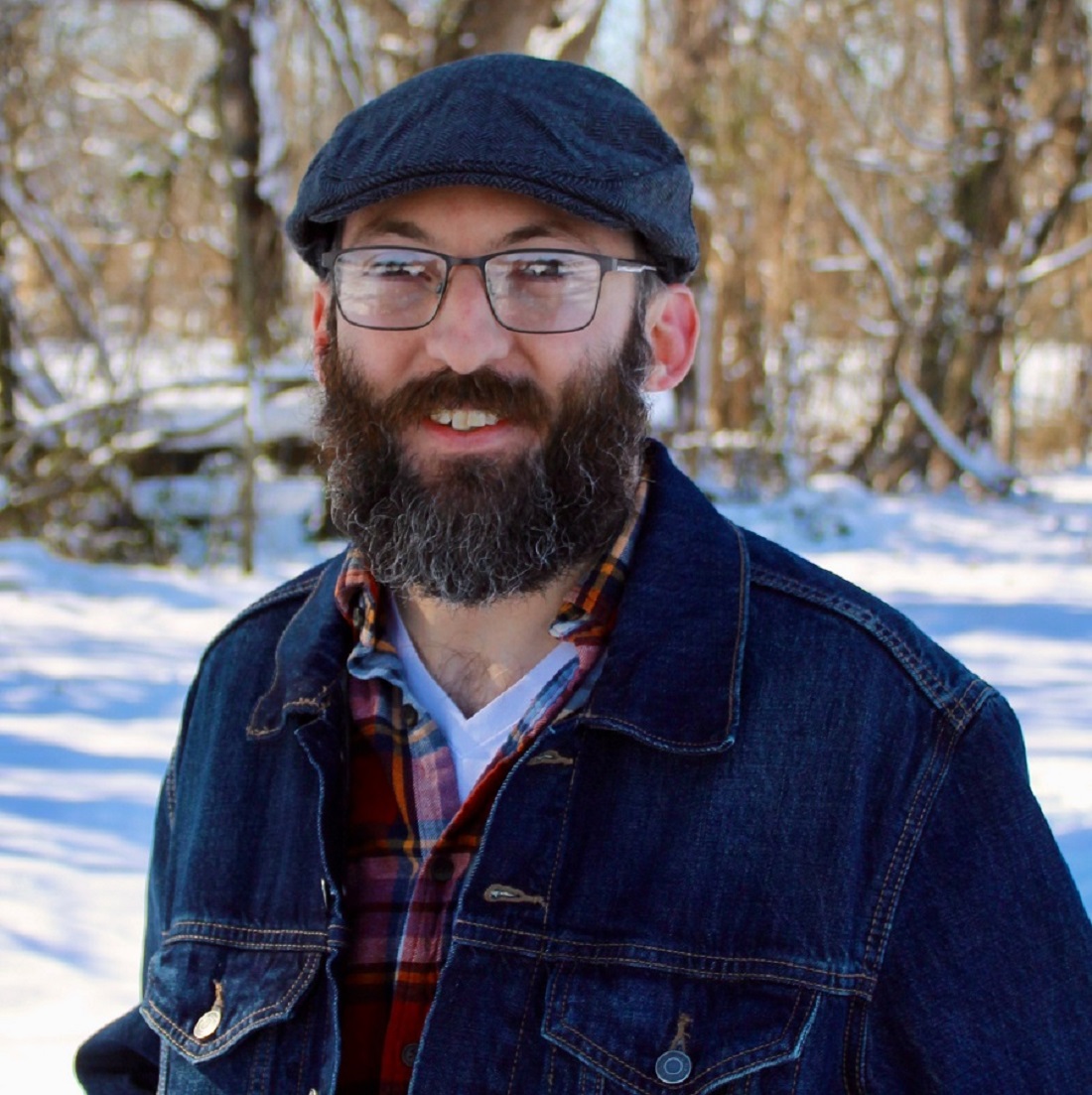
2025 Yamaha

Jacob Abbott

Performing Arts Director
Dresden High School
Dresden, Tennessee

Read more
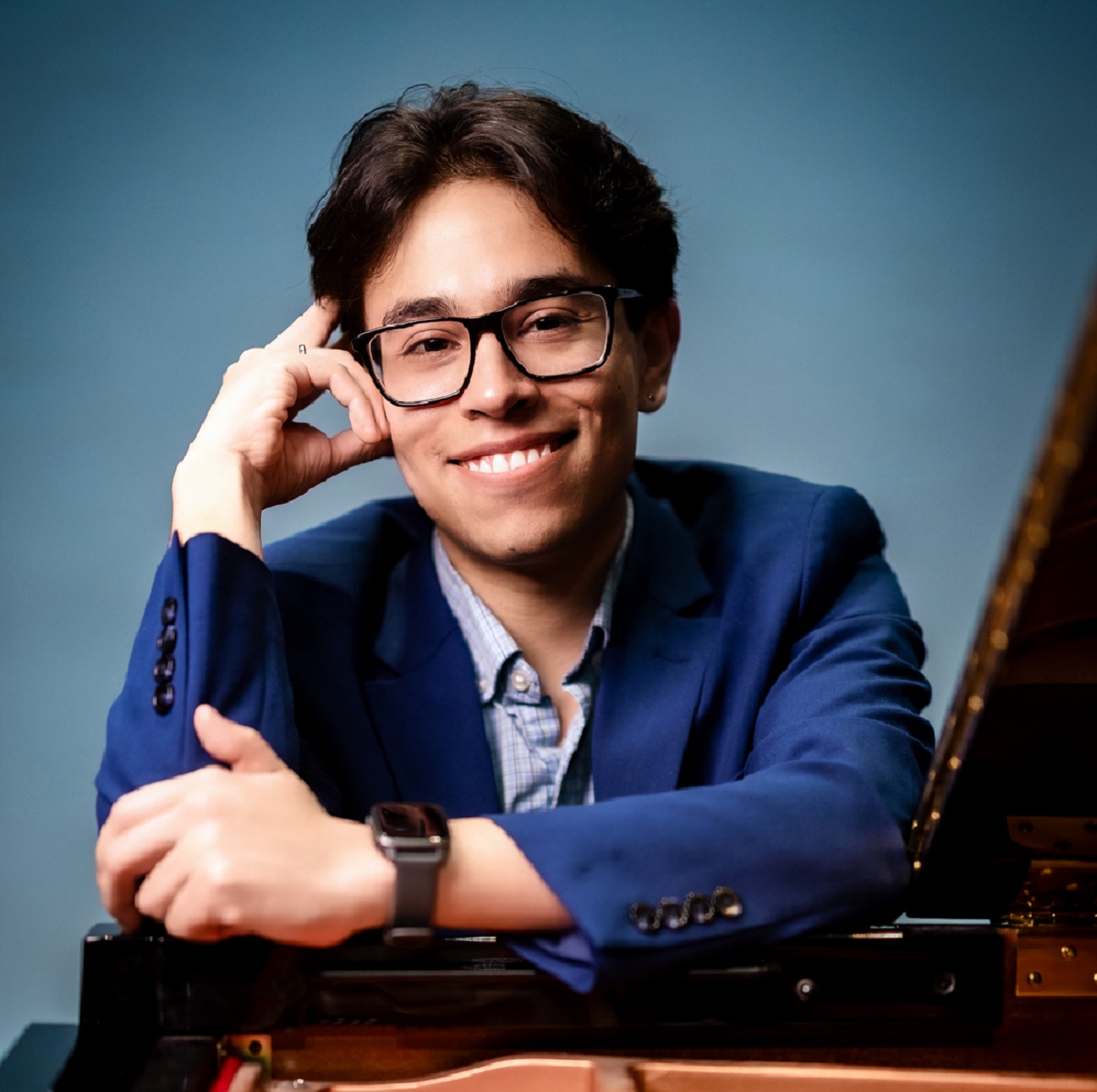
2025 Yamaha

Evan Aguilar

Director of Choral and Piano Activities
Cibola High School
Albuquerque Public Schools
New Mexico

Read more
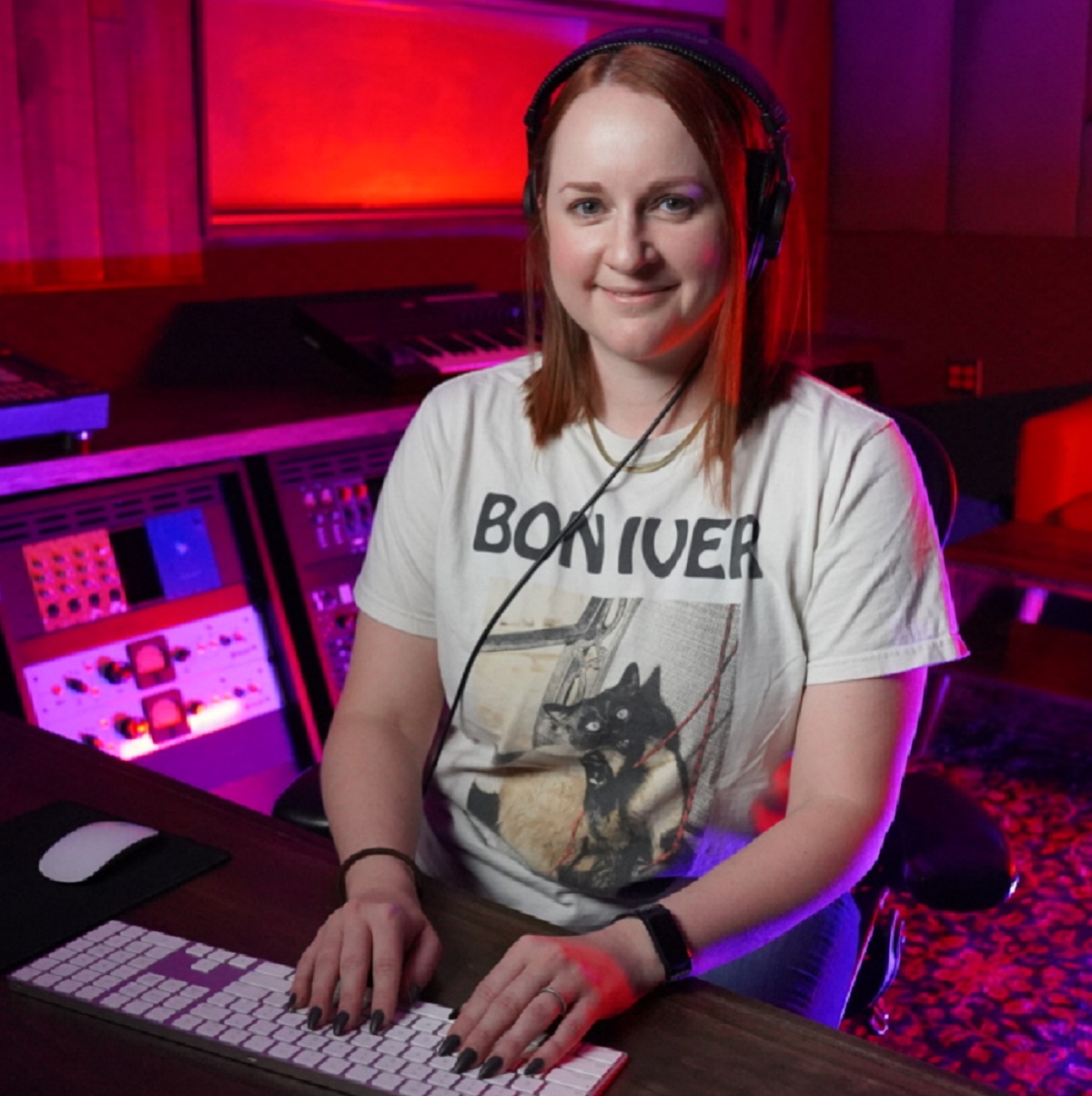
2025 Yamaha

Erin Barra

Executive Director, We Make Noise
Assistant Professor and Director of the Popular Music Program
Arizona State University

Read more
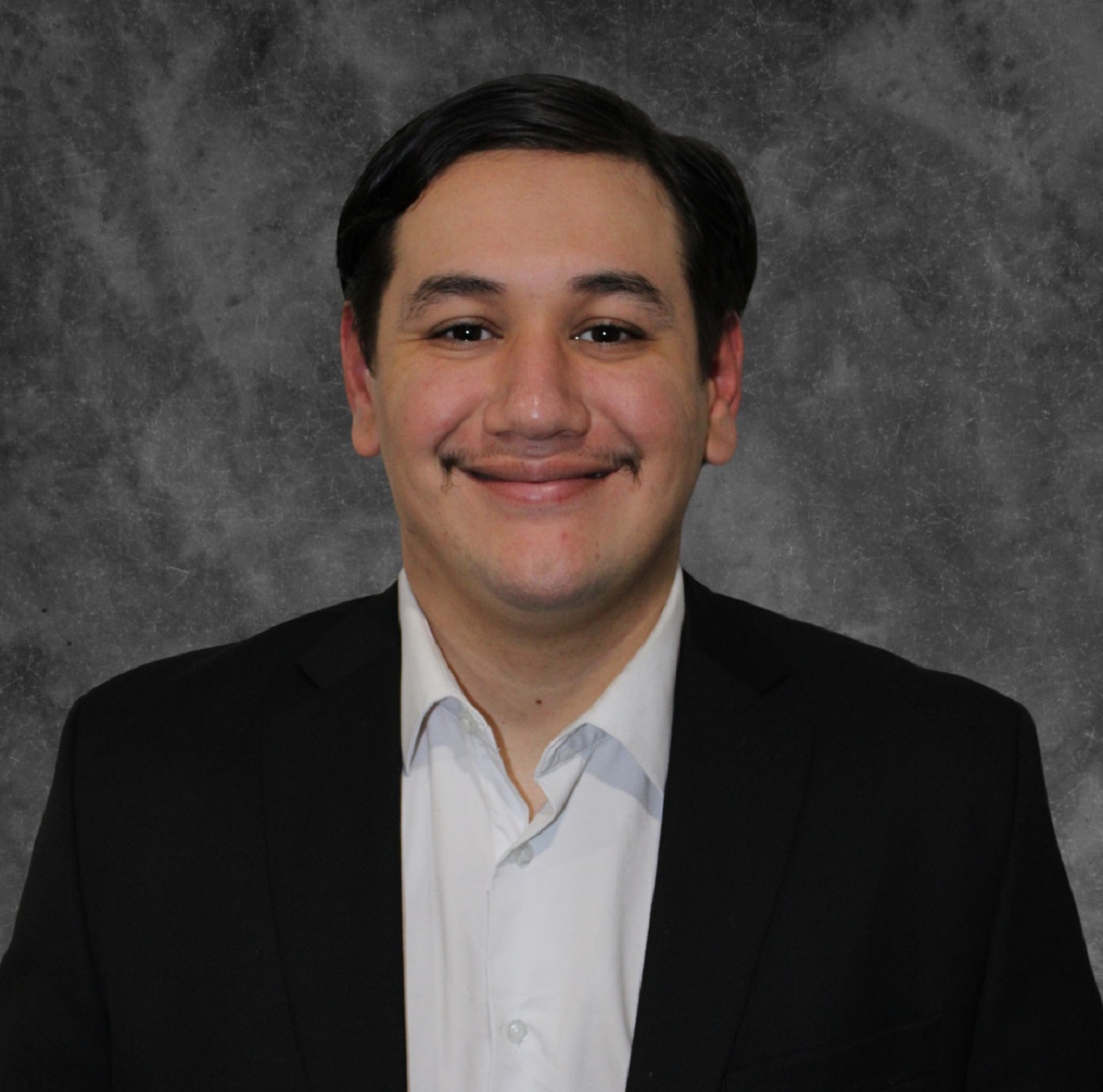
2025 Yamaha

Michael Blanco

Assistant Director of Mariachi
Las Vegas High School
Las Vegas, Nevada

Read more
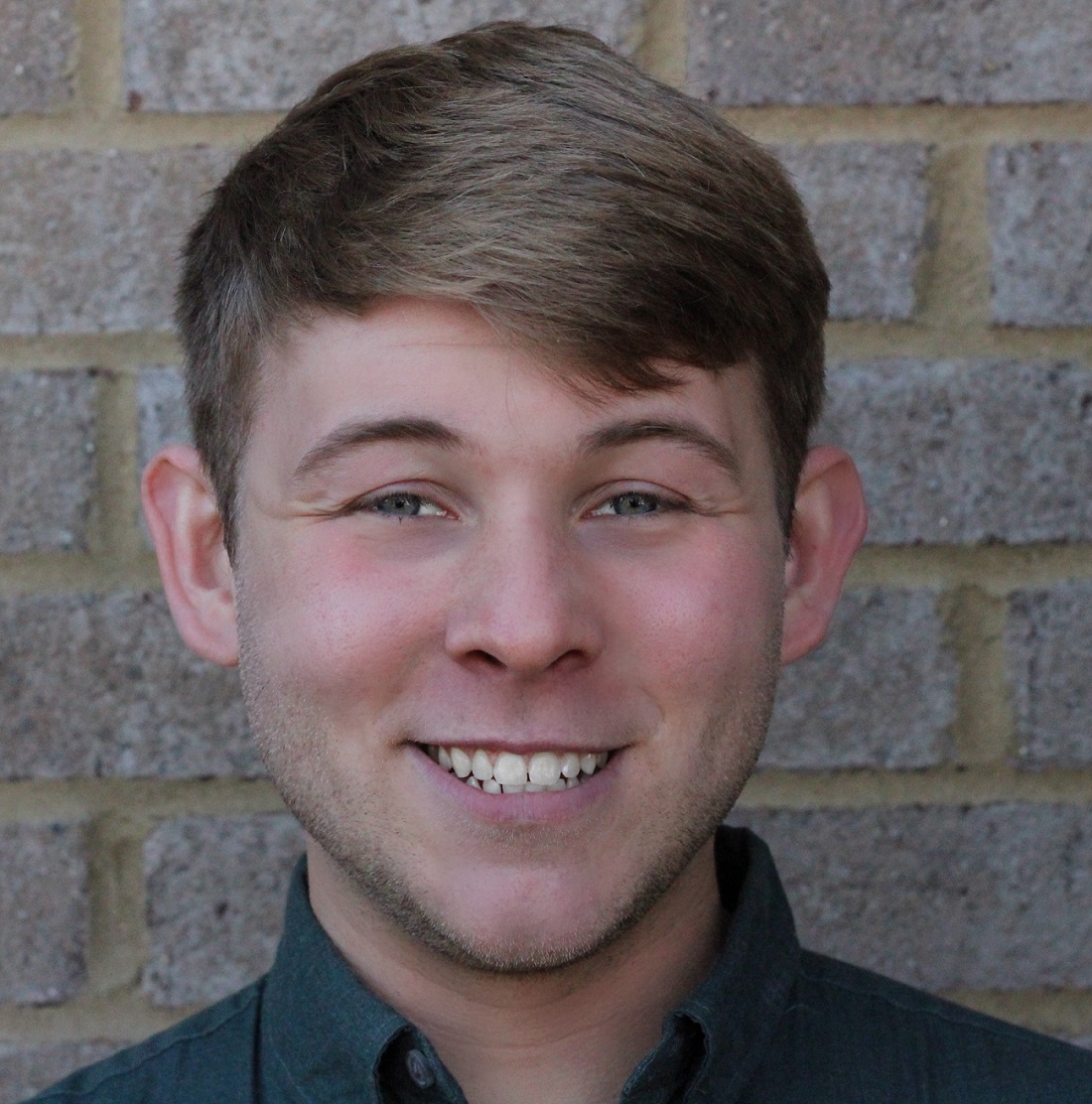
2025 Yamaha

Nick Blue

Assistant Director of Bands
Franklin High School
Franklin, Tennessee

Read more

2025 Yamaha

Dr. Gene Butler

Director of Bands
Smiths Station High School
Smiths Station, Alabama

Read more
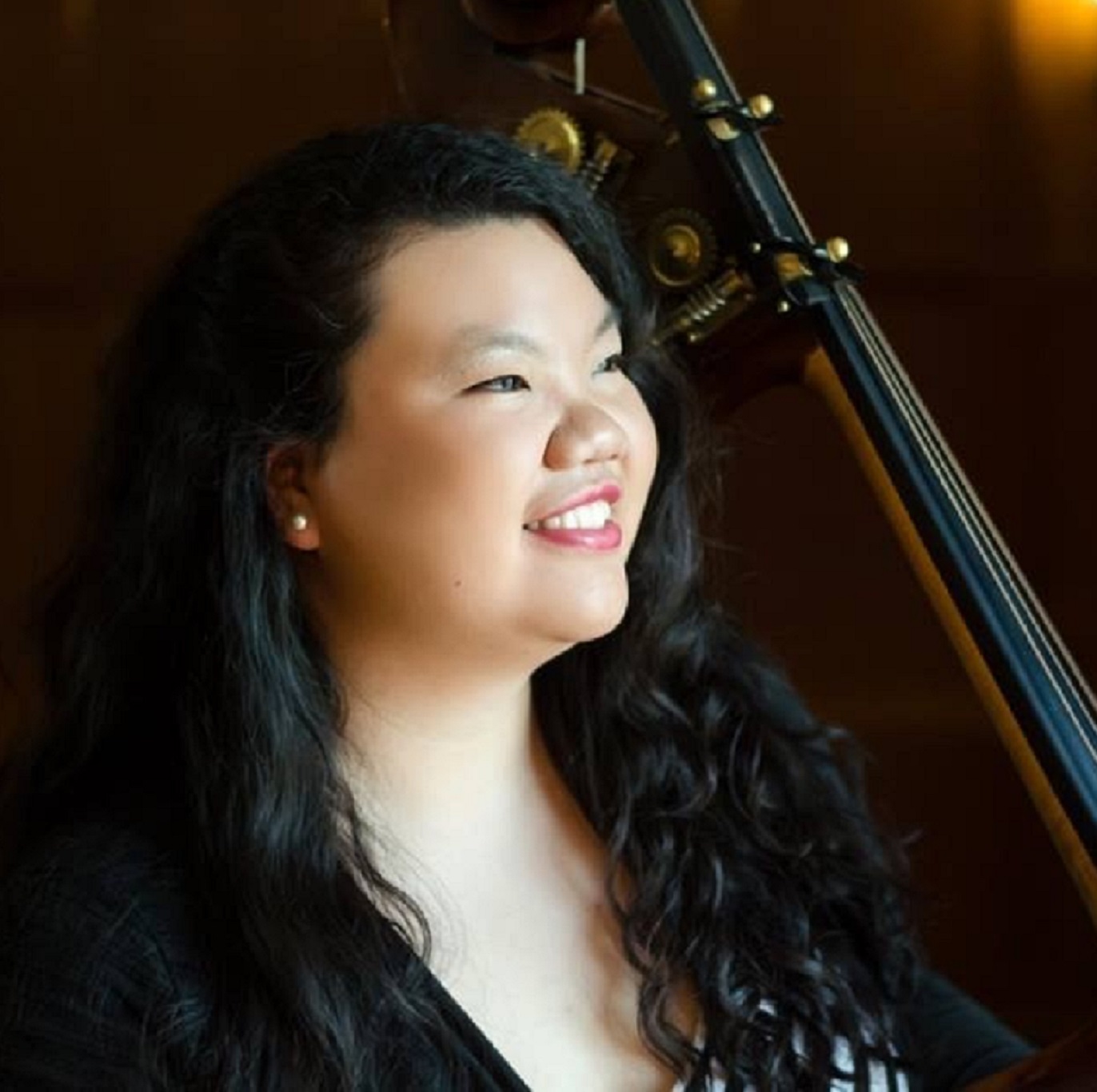
2025 Yamaha

Tanatchaya Chanphanit-
pornkit

Director of Orchestras
Nyack High School, New York
Lecturer of Music Education, Brooklyn College
Music Director, Crescendo Orchestra of NYYS

Read more
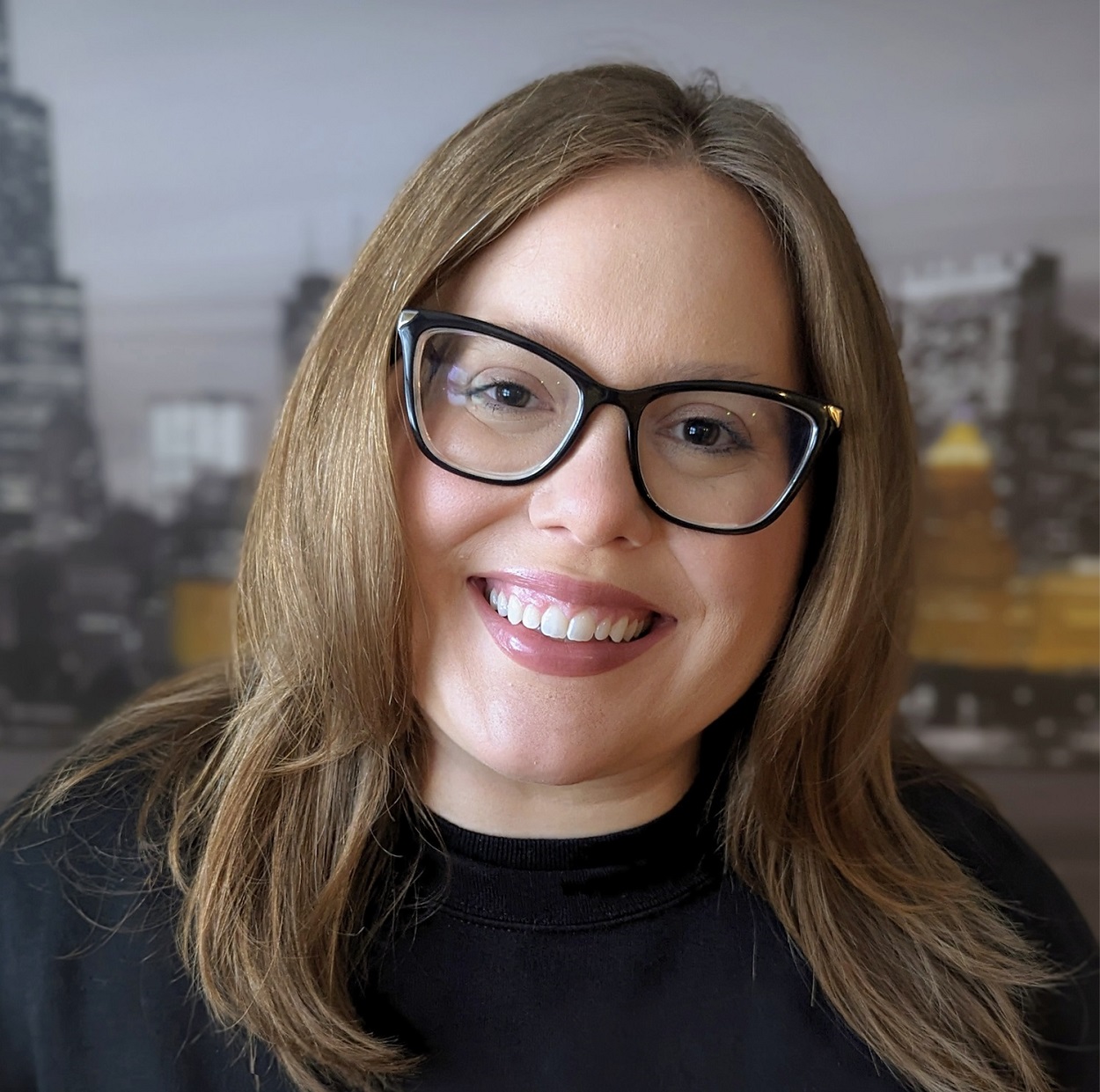
2025 Yamaha

Lindsay Cummings

Professor of Musical Theatre Voice, The Chicago College of Performing Arts and Loyola University, Chicago
Owner, Chicago Music & Acting Academy
Executive Director and Founder, Downstage Arts

cummings-lindsay
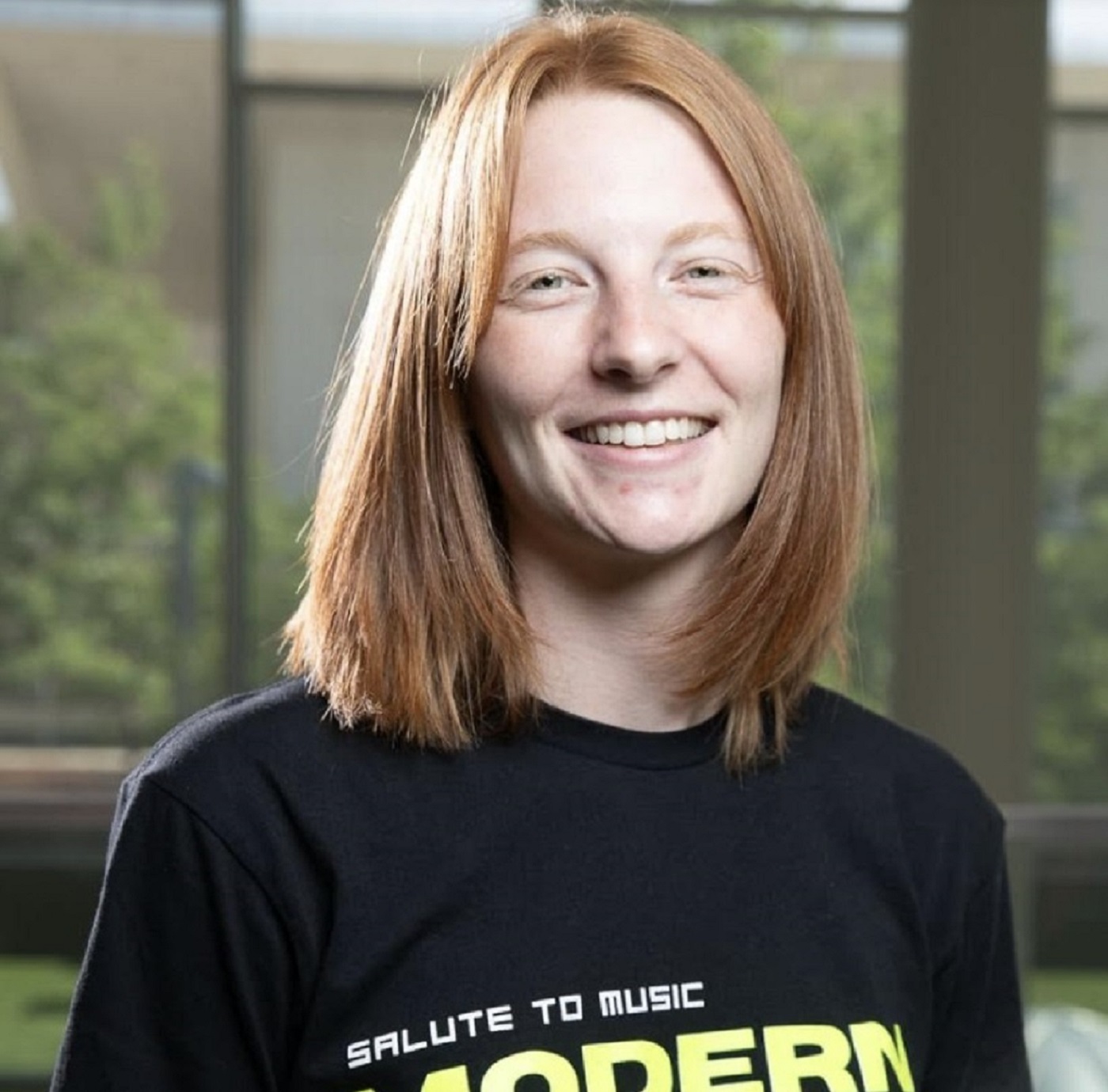
2025 Yamaha

Laura Del Rosso

Modern Band Teacher
Lower Manhattan Community Middle School, New York City Public Schools
New York, New York

Read more

2025 Yamaha

Dr. Cassandra Eisenreich

Associate Professor of Music Education and Flute
Slippery Rock University
Slippery Rock, Pennsylvania

Read more
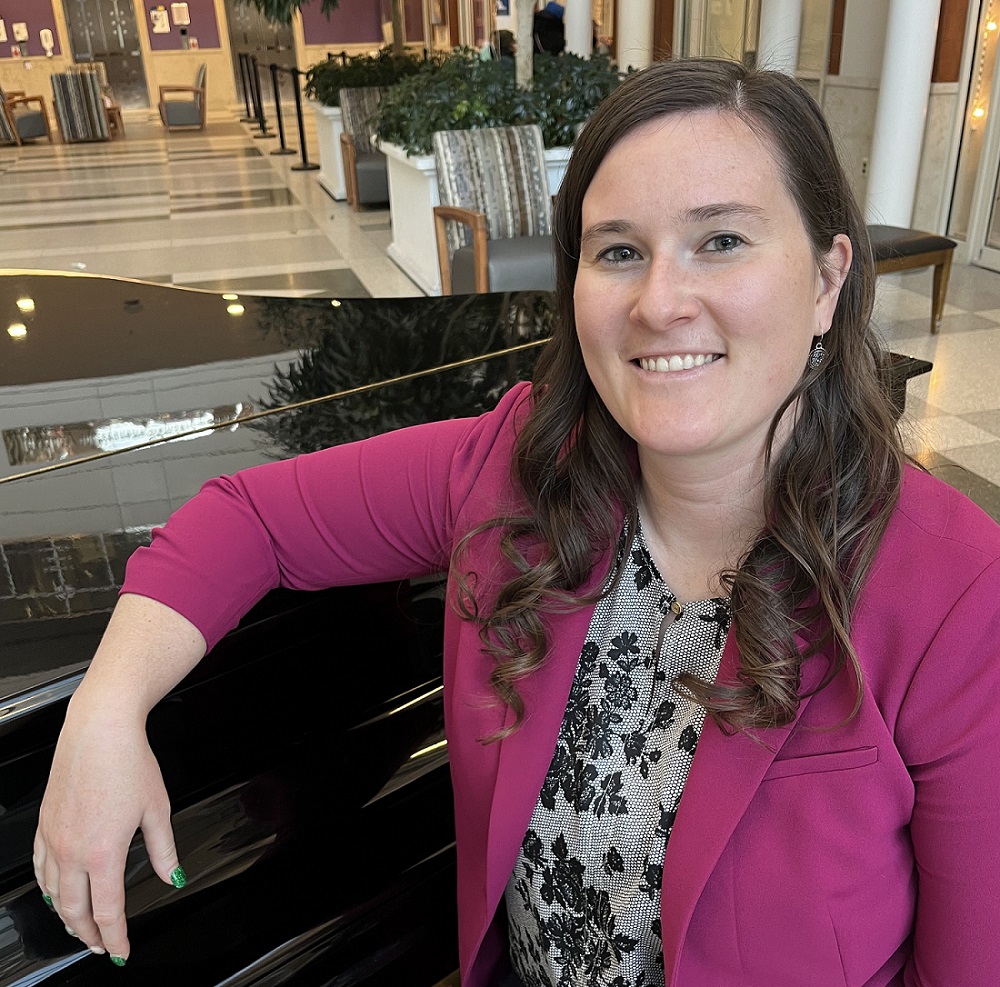
2025 Yamaha

Dr. Sarah Fabian

Director of Bands, Assistant Professor of Music
Gardner-Webb University
Boiling Springs, North Carolina

Read more

2025 Yamaha

Dr. Catheryn Shaw Foster

Assistant Professor of Practice of Music Education
Virginia Tech
Blacksburg, Virginia

Read more
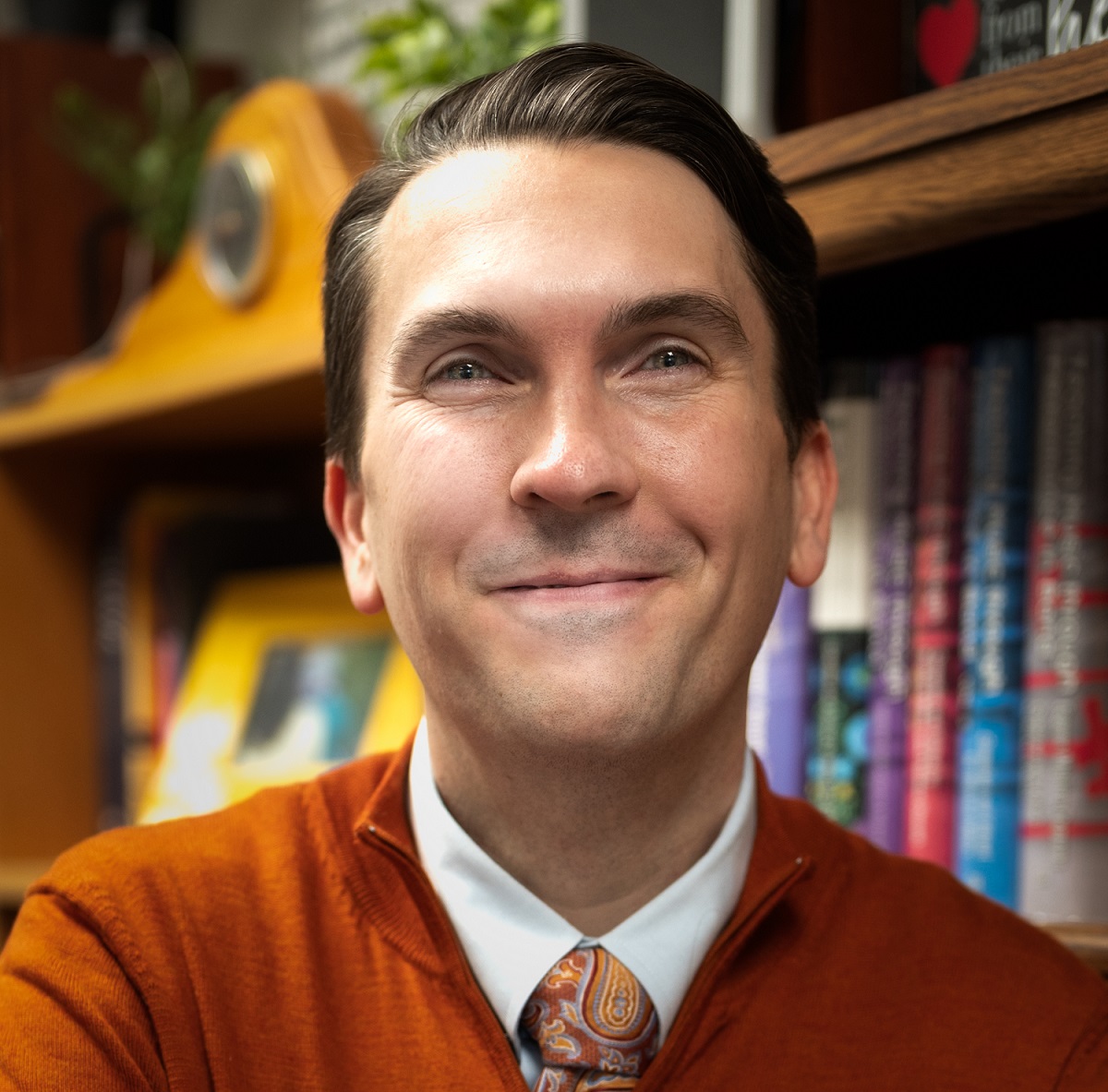
2025 Yamaha

Lee B. Gibson

Assistant Director of Bands
Barberton CIty Schools,
Barberton, Ohio

Read more
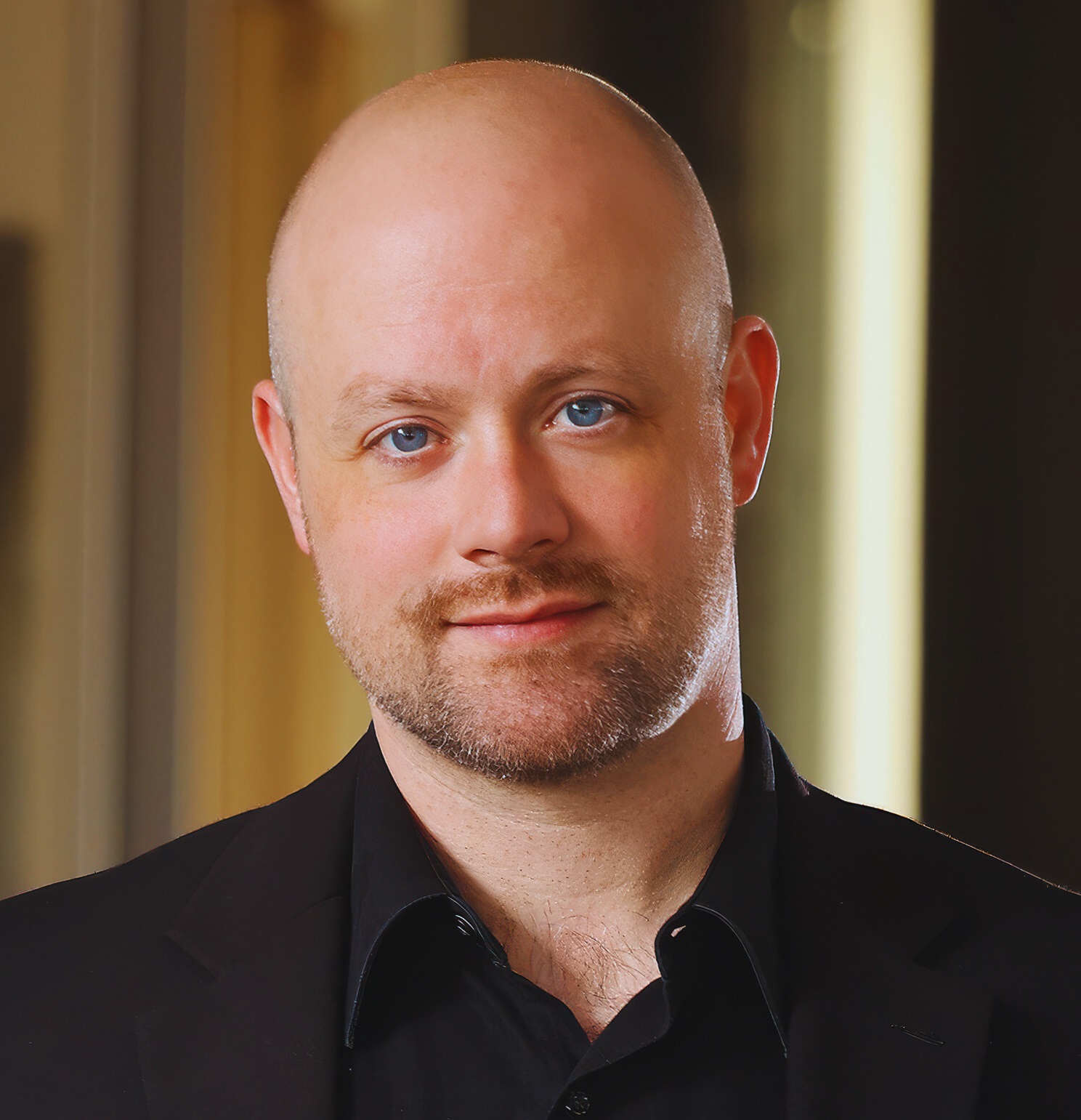
2025 Yamaha

Paul Glader

Band and Choir Director
Bethel-Tate Middle School
Bethel, Ohio

Read more
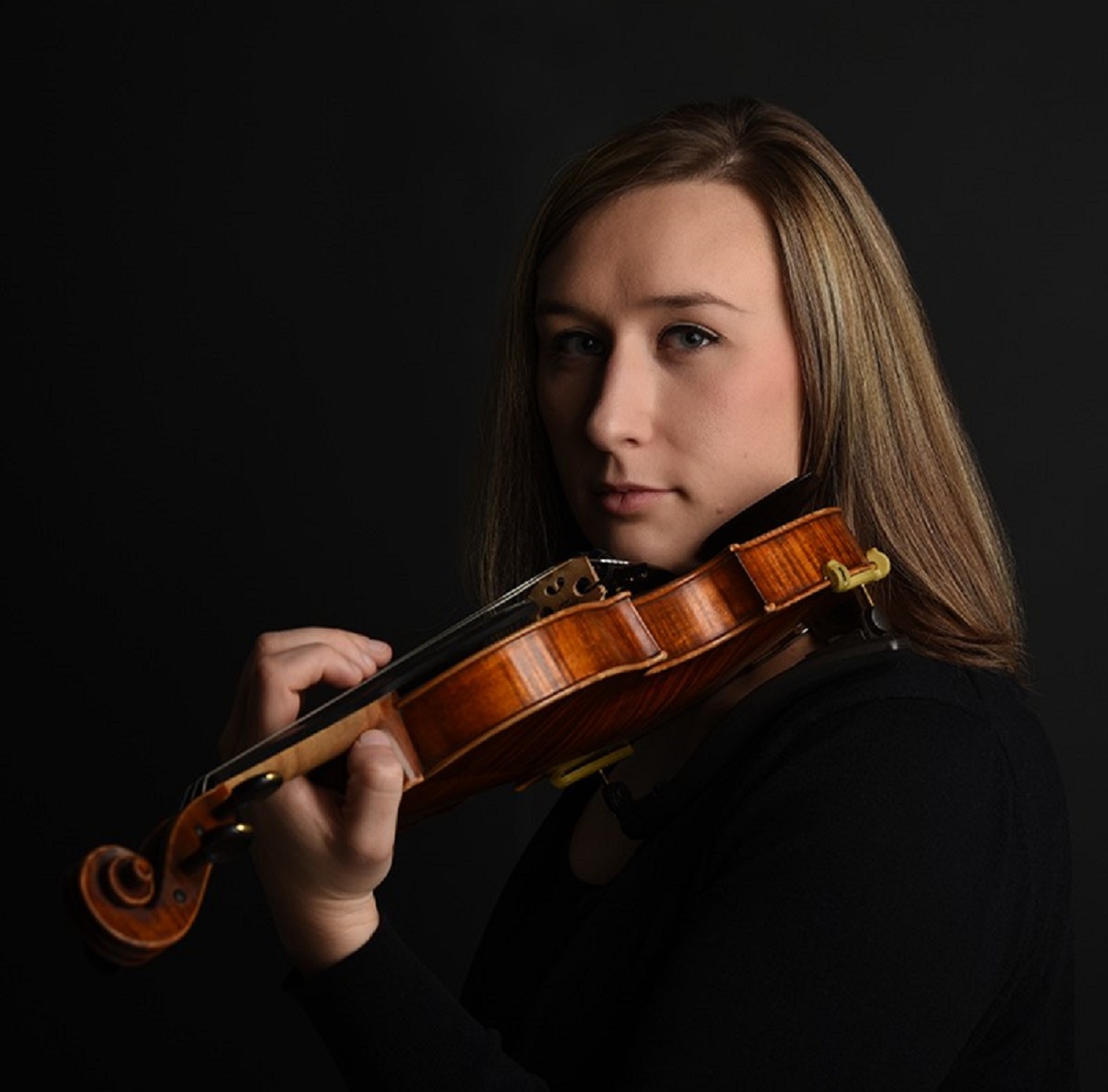
2025 Yamaha

Dr. Marissa Guarriello

Visiting Assistant Professor of String Music Education
University of North Carolina
Greensboro, North Carolina

Read more
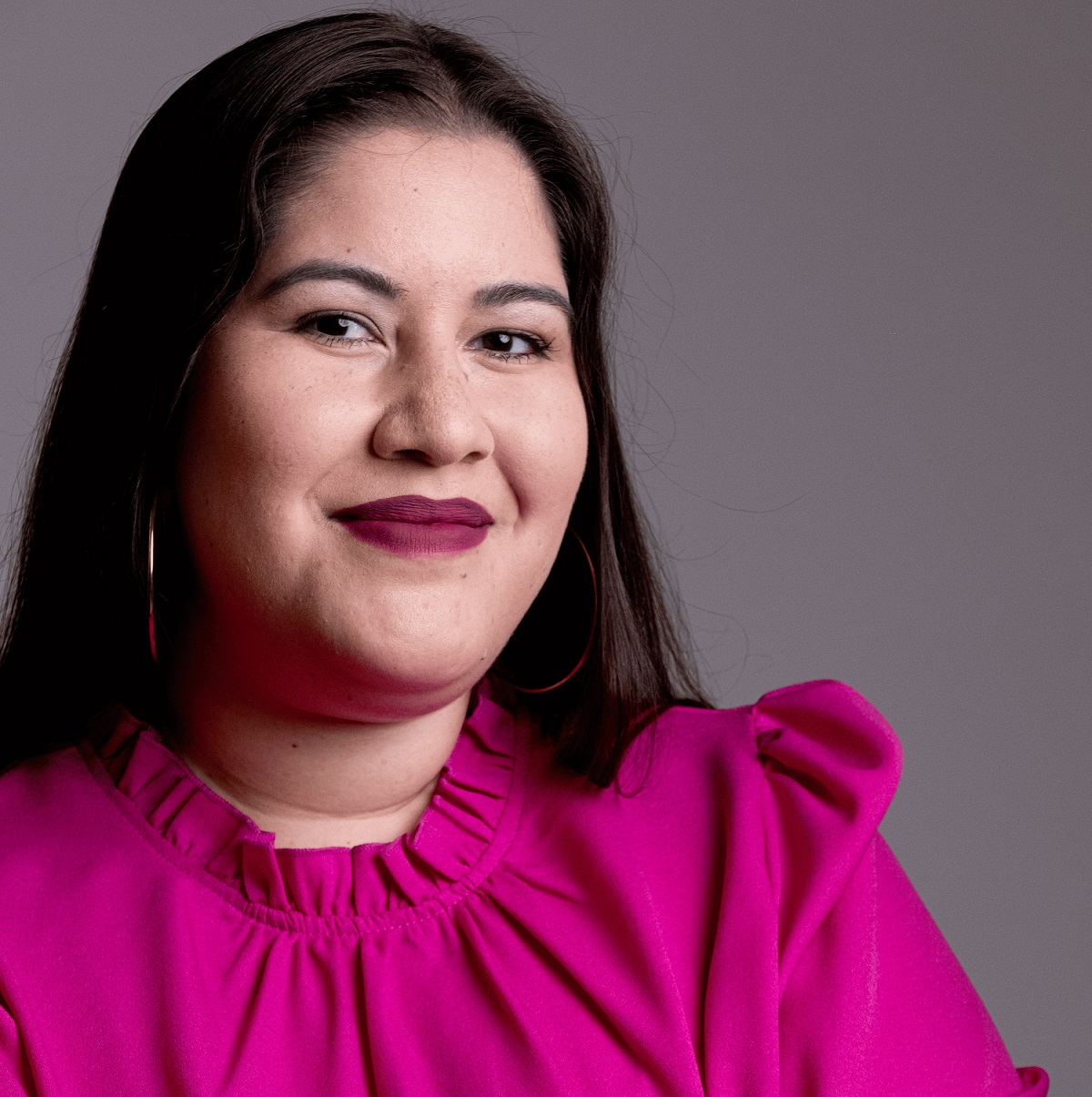
2025 Yamaha

Dr. Liliana Guerrero

Assistant Professor of Voice
Butler School of Music. University of Texas, Austin
Austin, Texas

Read more
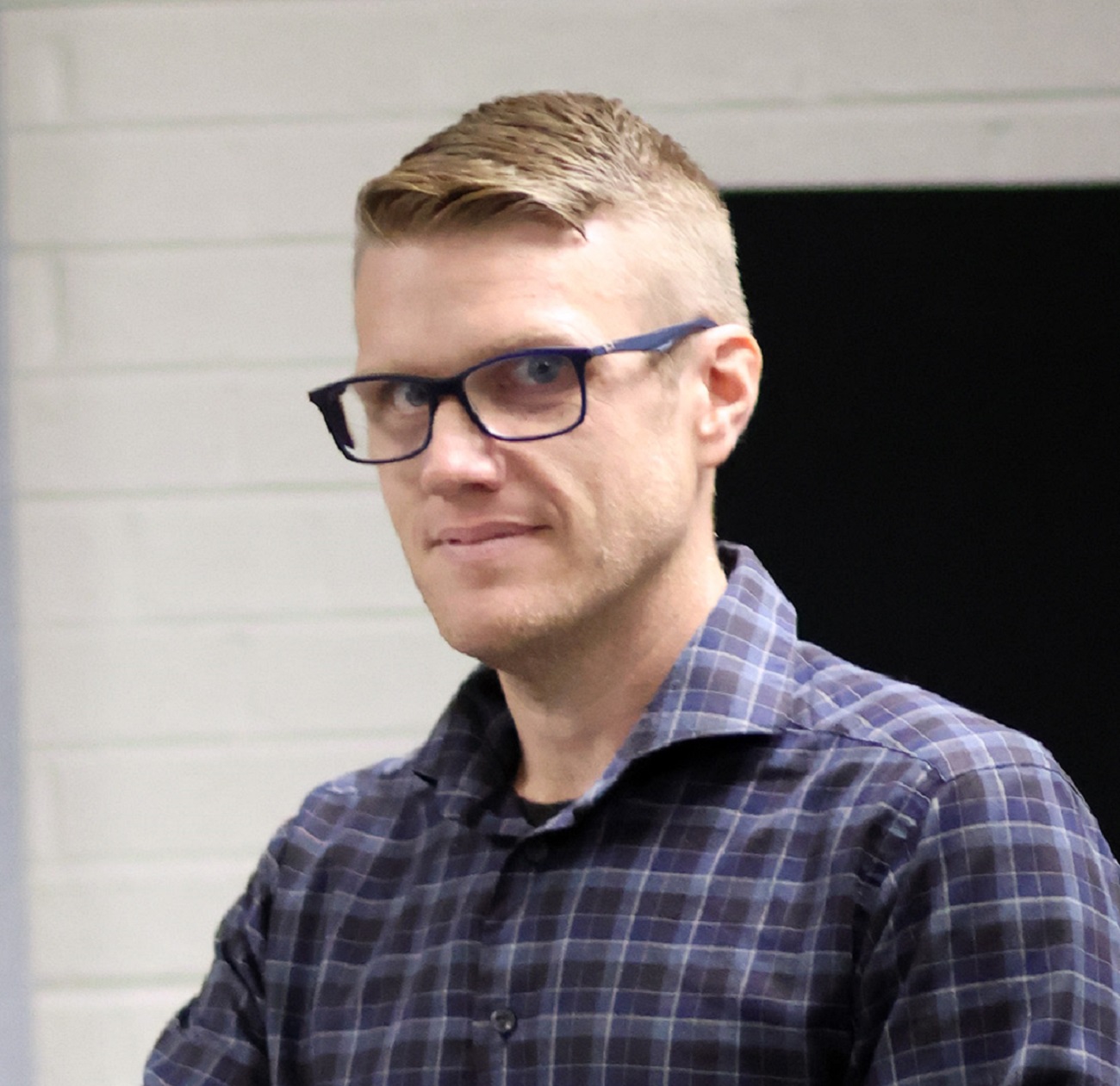
2025 Yamaha

Bob Habersat

Director, Shedthemusic
Commercial Music Teacher
Oak Lawn Community High School
Oak Lawn, Illinois

Read more
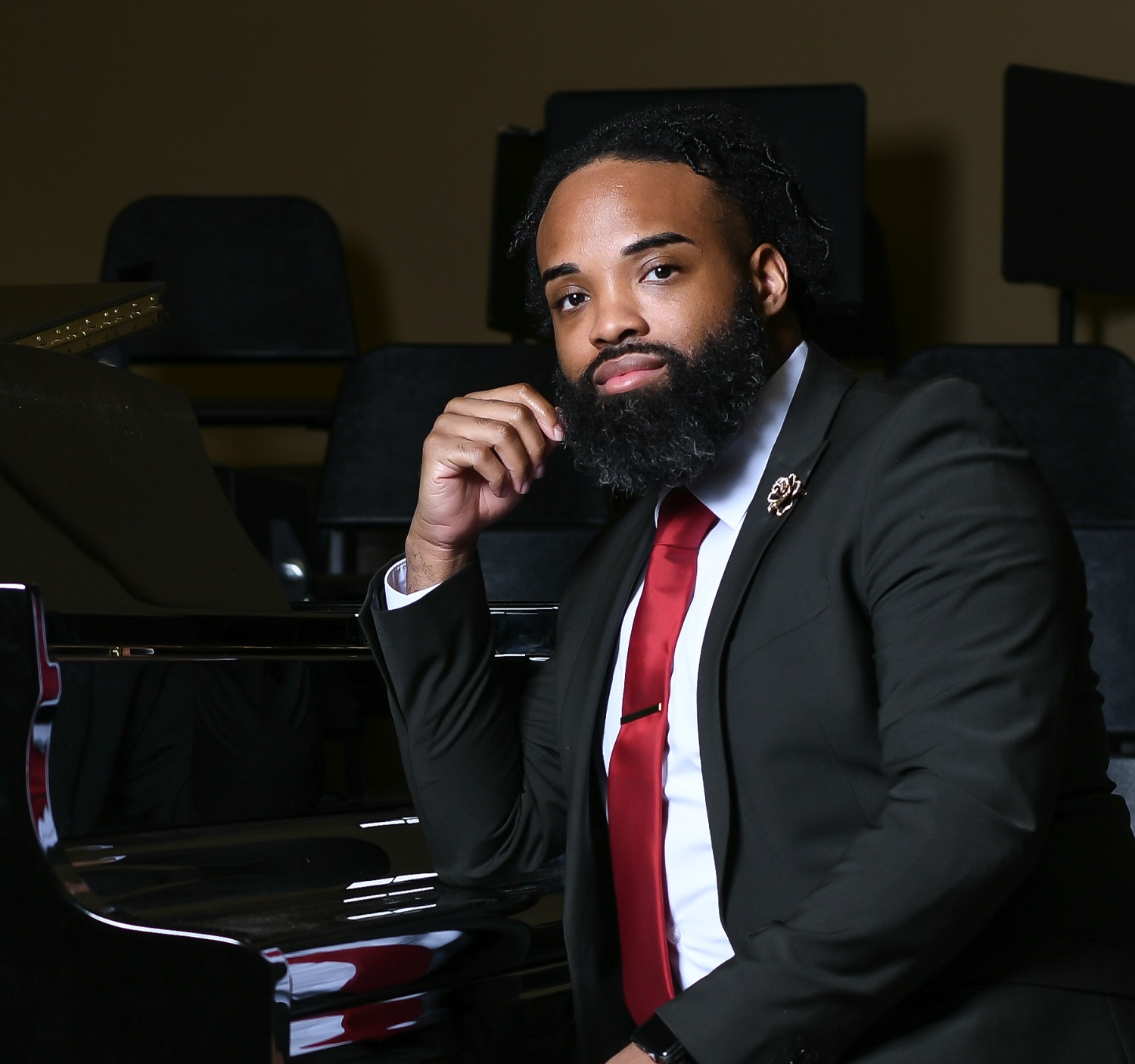
2025 Yamaha

Dr. Cordara X. Harper

Assistant Professor of Music Education, Choir Director, Music Education Coordinator, Vocal Music Coordinator
Grambling State University
Grambling, Louisiana

Read more
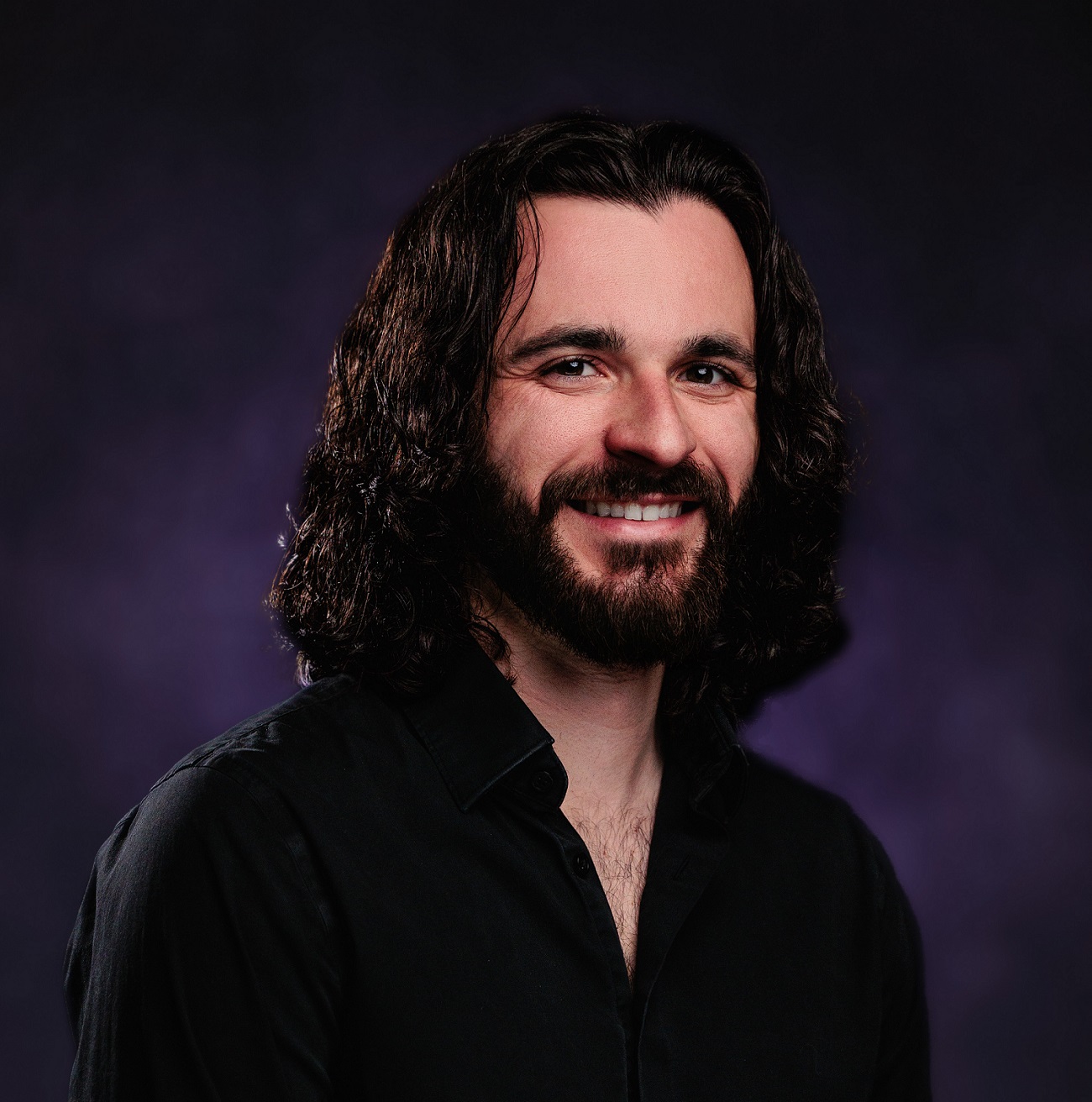
2025 Yamaha

Alex Hitrick

7-12 Music Teacher
Broadalbin-Perth Jr./Sr. High School
Broadalbin, New York

Read more
2025 Yamaha

Cody Jackson

Band Director
Heights Middle School
Farmington, New Mexico

Read more
2025 Yamaha

Zane Kaiser

Band and Orchestra Teacher
Justice Page Middle School, Minneapolis Public Schools
Minneapolis, Minnesota

Read more

2025 Yamaha

Shan Kazmi

Director of Bands
Zion-Benton Township High School
Zion, Illinois

Read more
2025 Yamaha

Liam Keller

Director of Orchestras
Chatham High School, Lafayette Avenue School
Chatham, New Jersey

Read more

2025 Yamaha

Orien Landis

Director of Bands
American Fork High School
American Fork, Utah

Read more
2025 Yamaha

Christopher McCurdy

Band Director
Ulysses S. Grant High School
Portland, Oregon

Read more

2025 Yamaha

Coty Raven Morris

Hinckley Assistant Professor of Choir, Music Education and Social Justice
Portland State University
Portland, Oregon

Read more
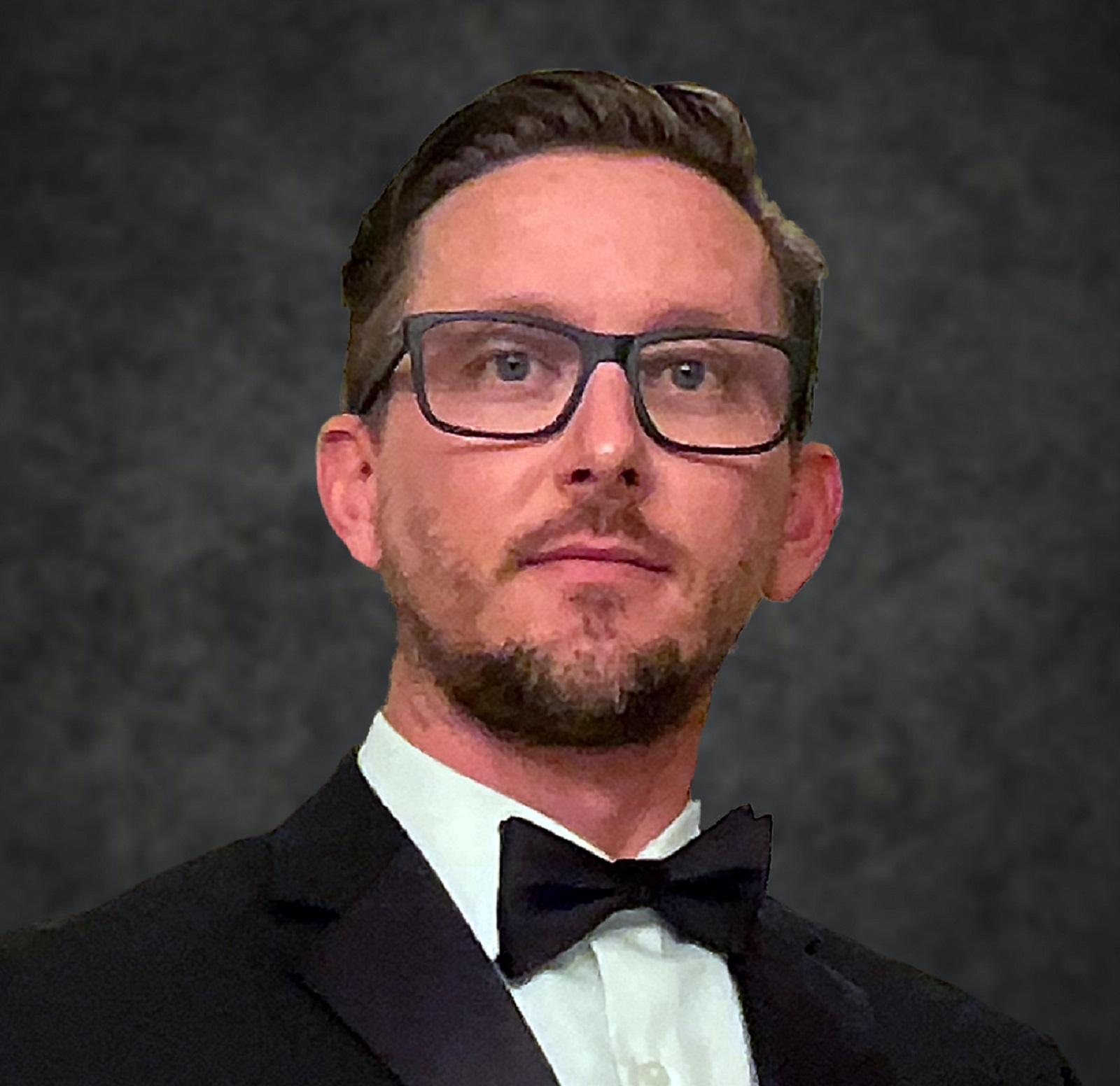
2025 Yamaha

Kevin Morrison

Director of Bands
Lambert High School
Suwanee, Georgia

Read more
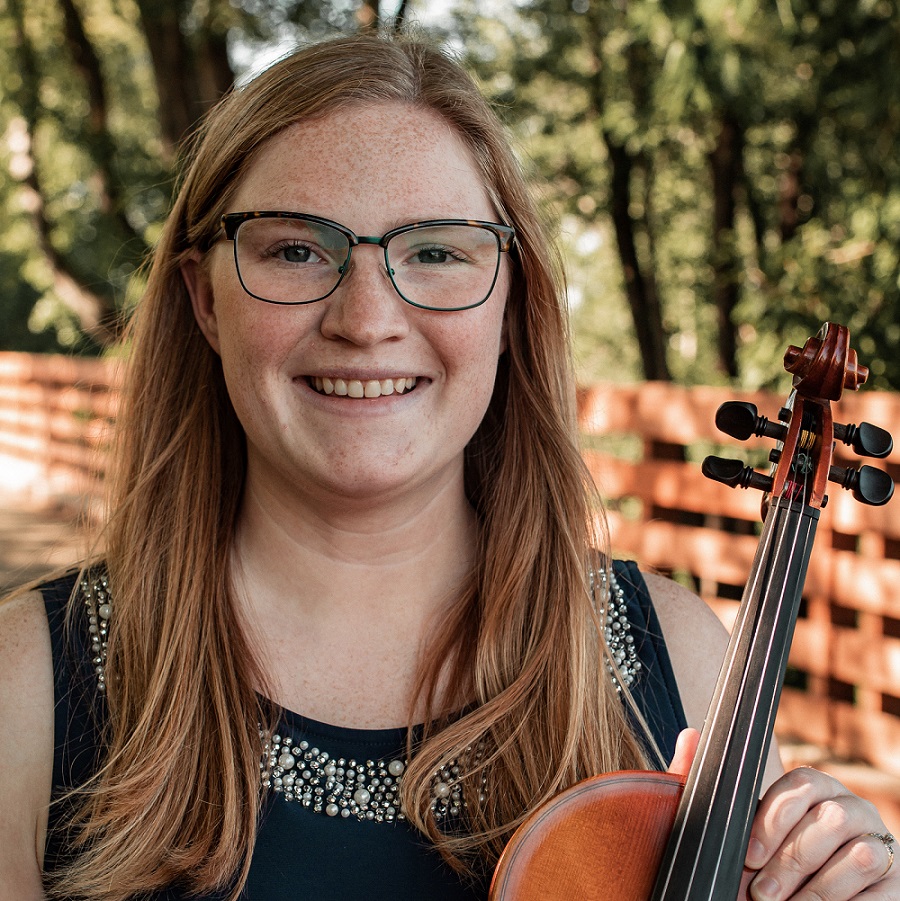
2025 Yamaha

Leah Motl

Orchestra Teacher
IJ Holton Intermediate School
Austin, Minnesota

Read more
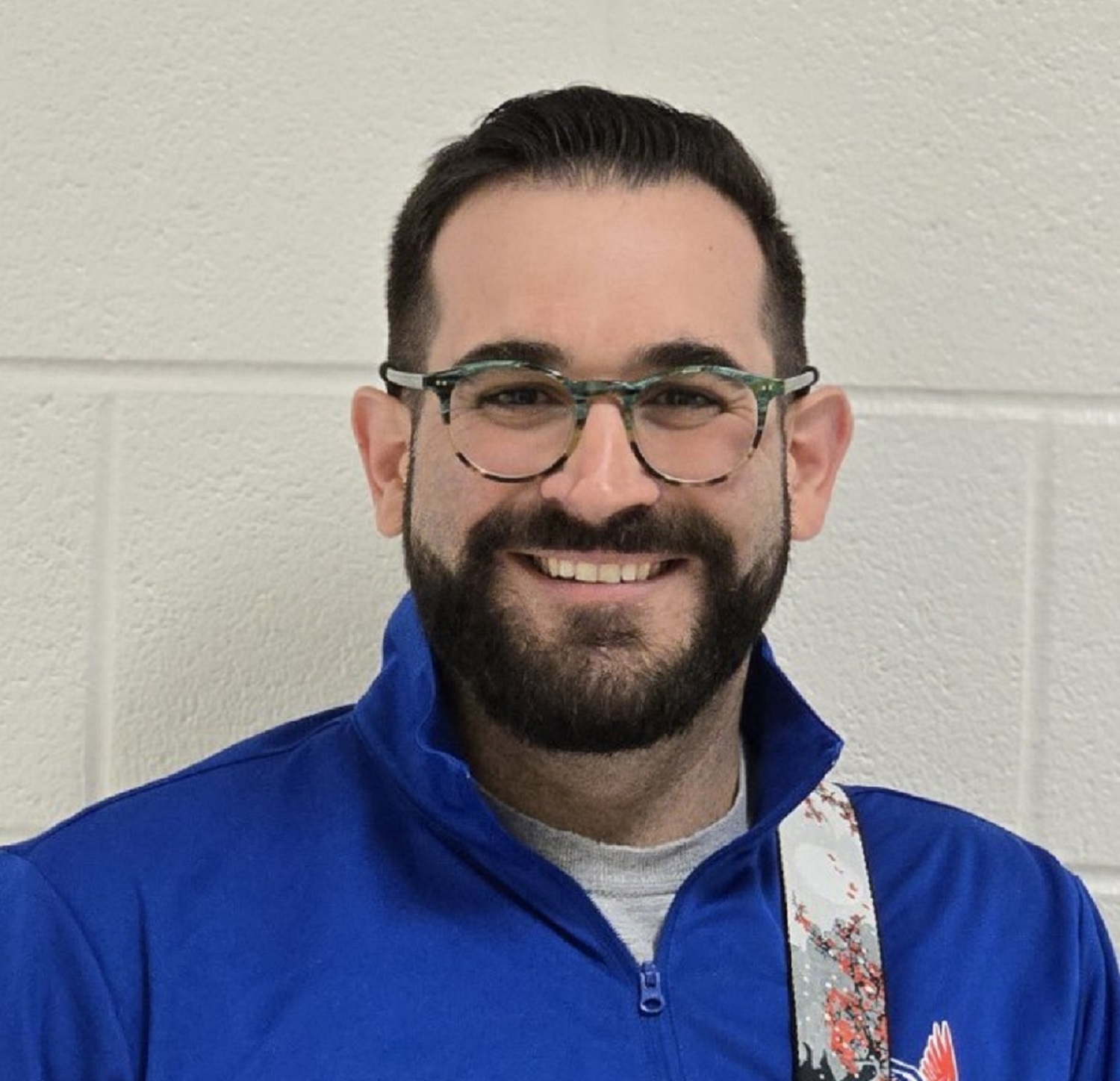
2025 Yamaha

Adam Odenwelder

Guitar Teacher
Belmont Ridge Middle School
Leesburg, Virginia

Read more
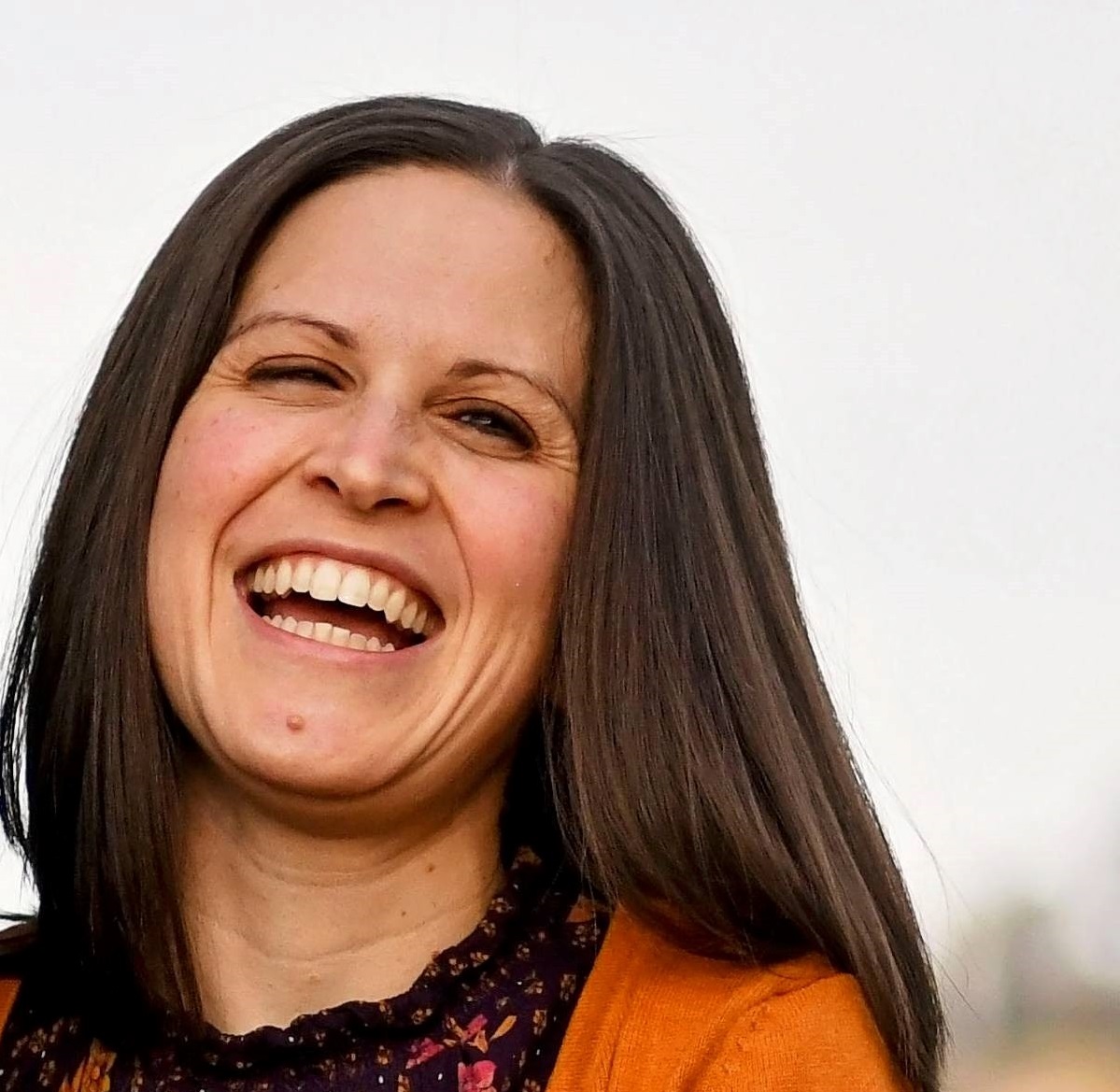
2025 Yamaha

Kate Phillips

PK-5 Music Teacher
Grant Avenue Elementary School
Bronx, New York

Read more
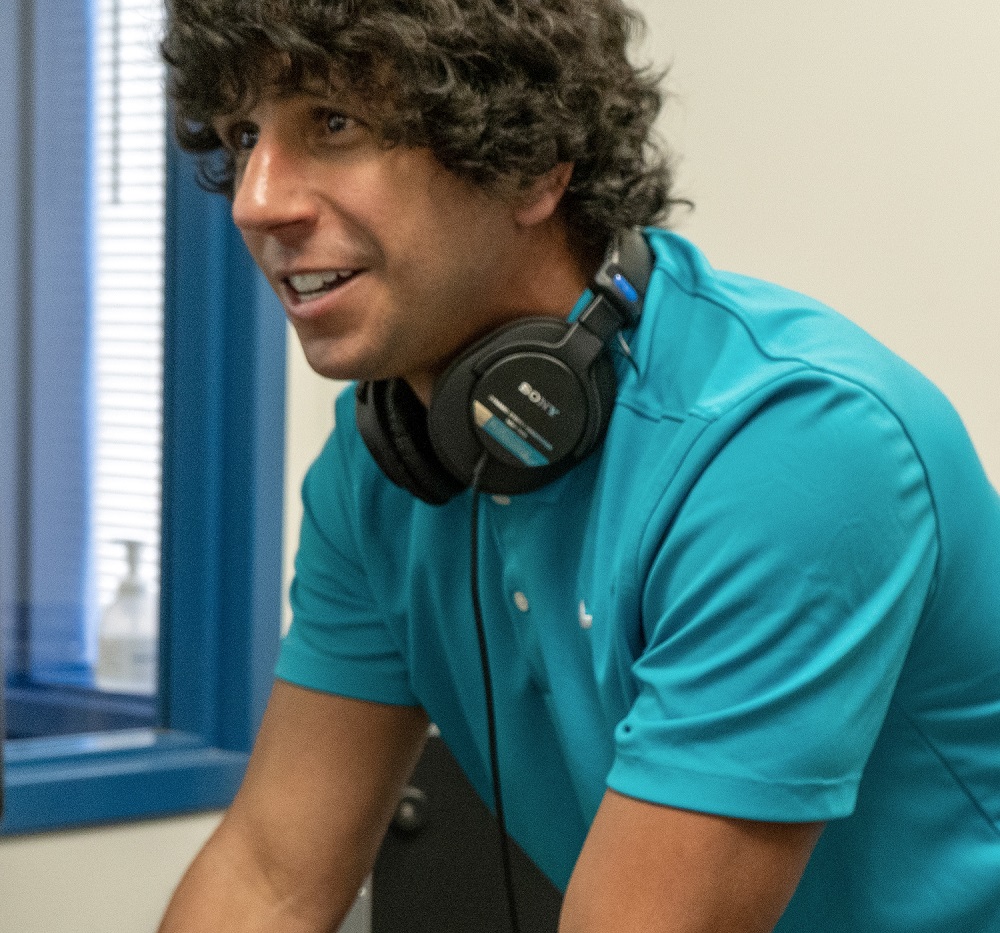
2025 Yamaha

Nicholas Popovich

Music Technology Teacher
Shadow Mountain High School
Phoenix, Arizona

Read more
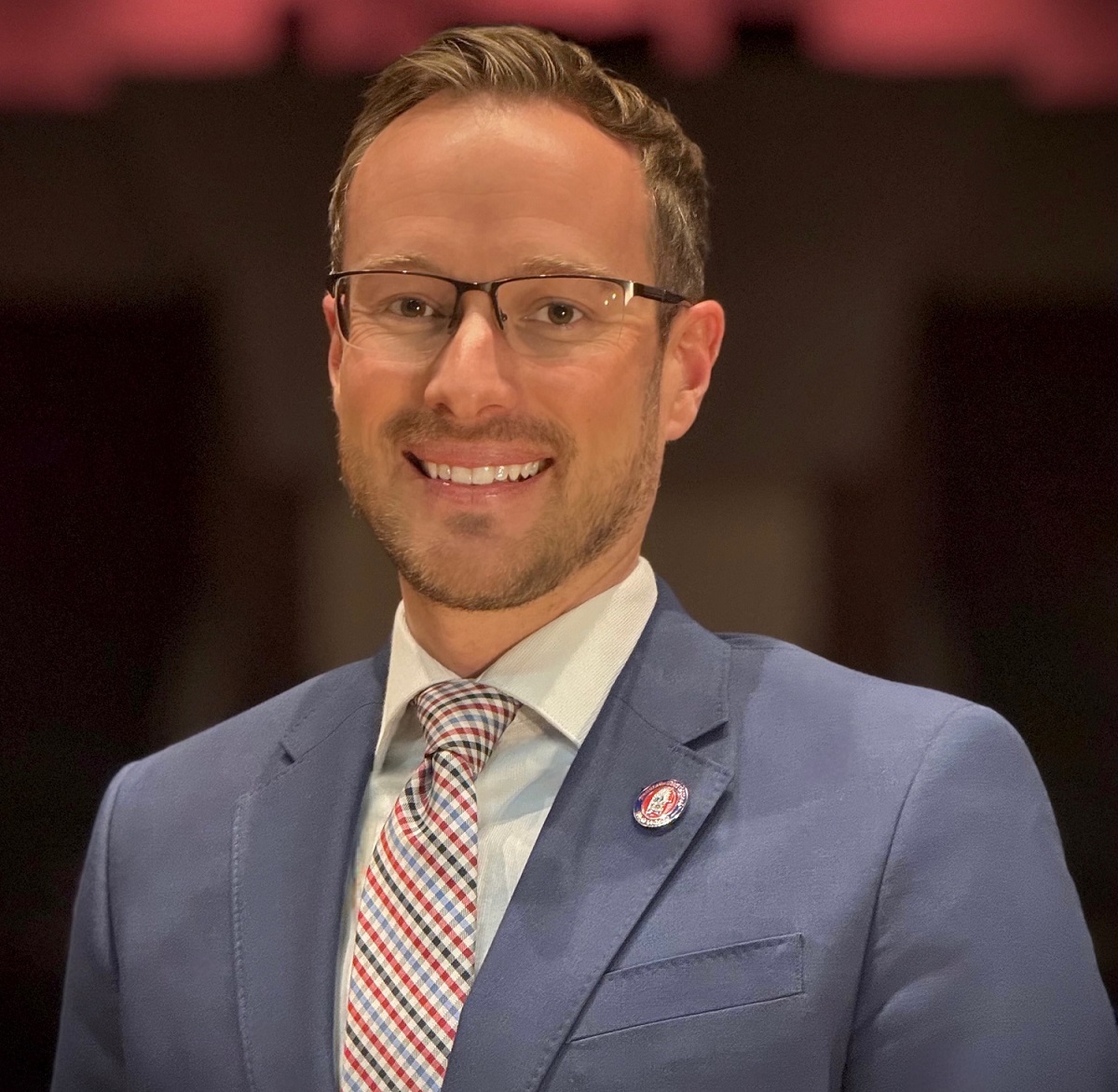
2025 Yamaha

Joshua Race

Director of Bands
Fountain-Fort Carson High School,
Fountain, Colorado

Read more
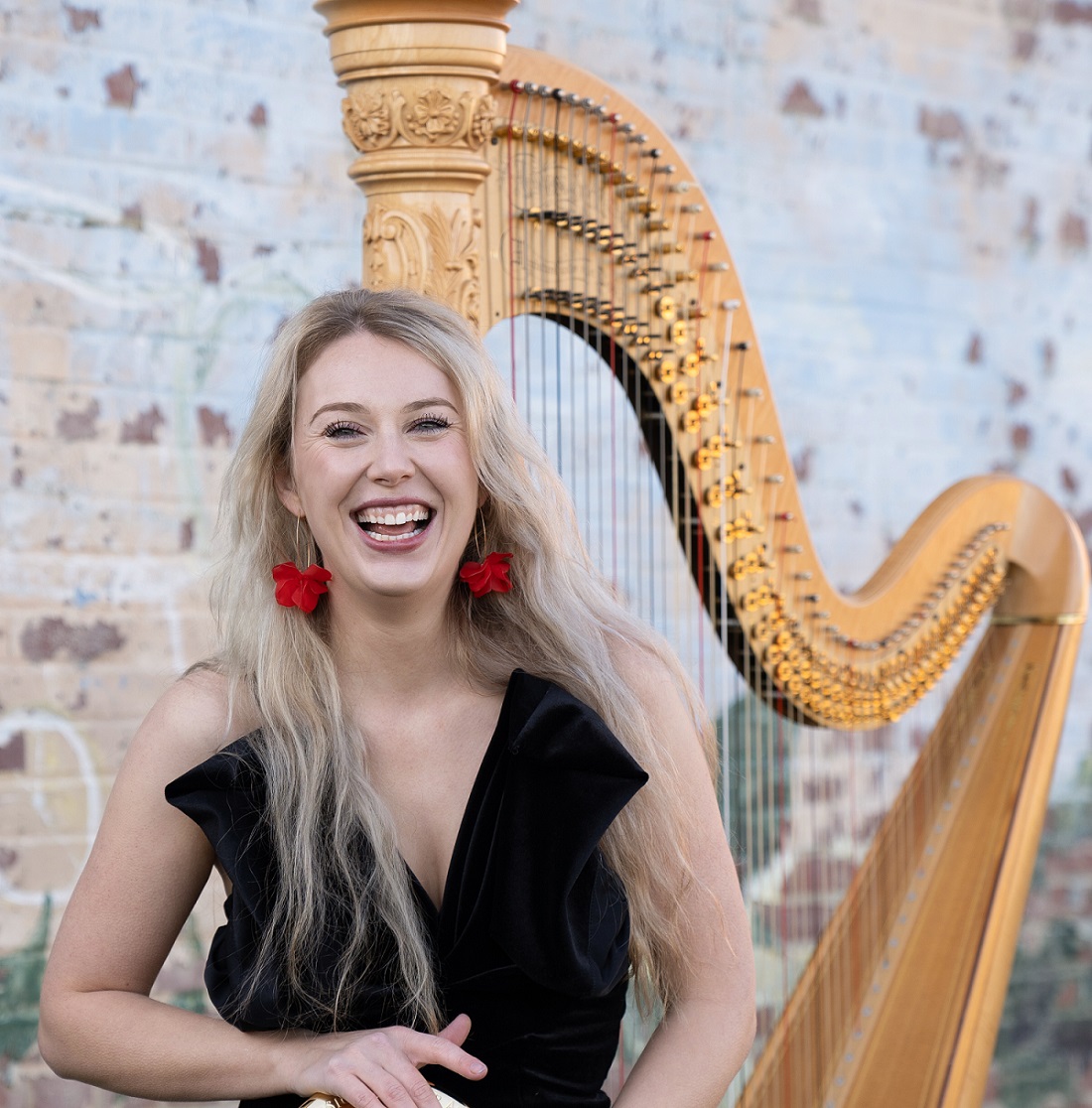
2025 Yamaha

Annie Ray

Orchestra Director and Performing Arts Department Chair
Annandale High School,
Annandale,Virginia

Read more

2025 Yamaha

Michael Schnell

Middle School Band Teacher
Oostburg School District
Oostburg, Wisconsin

Read more
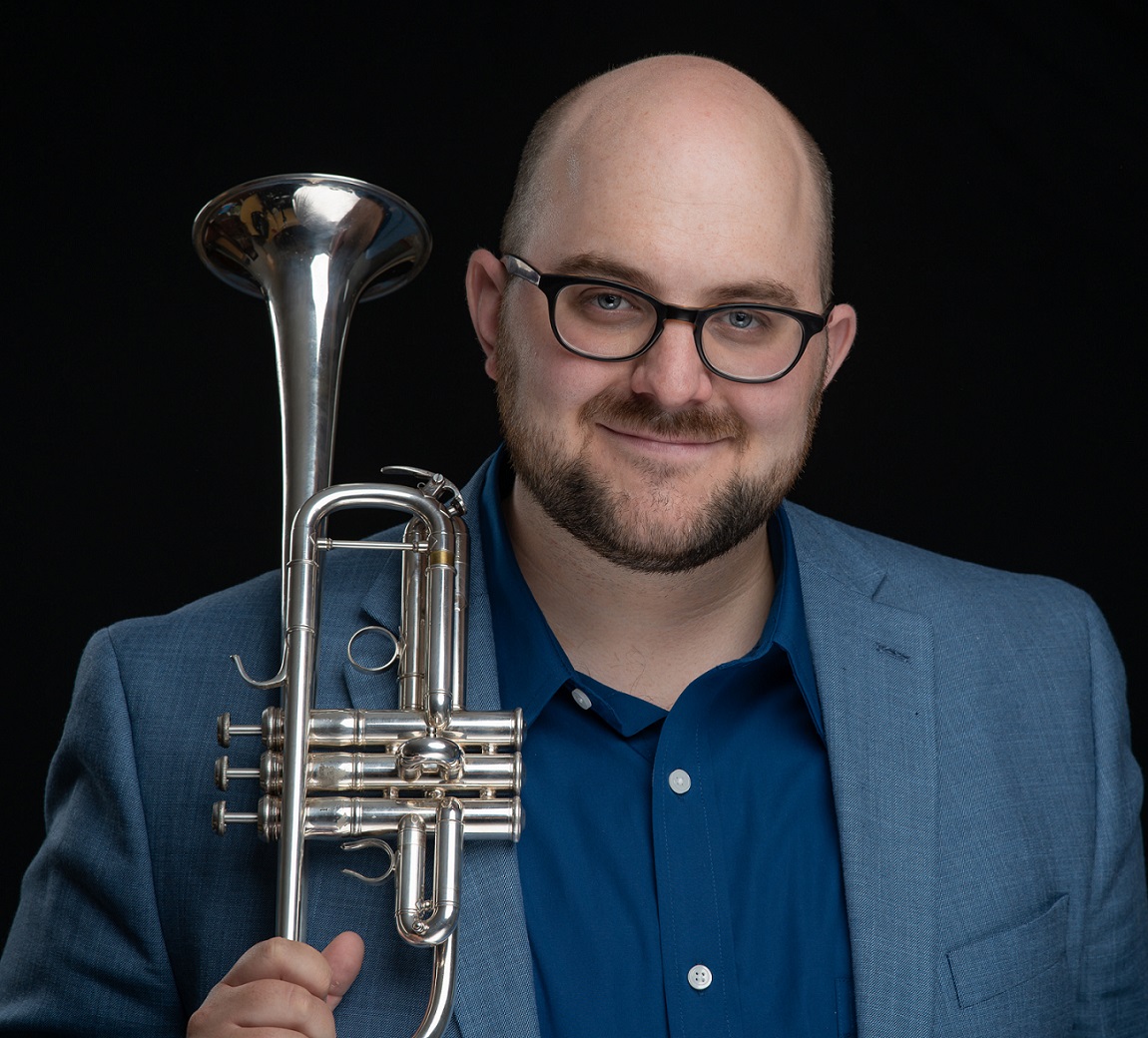
2025 Yamaha

Dr. Andrew Stetson

Director, School of Music
Texas Tech University School of Music
Lubbock, Texas

Read more
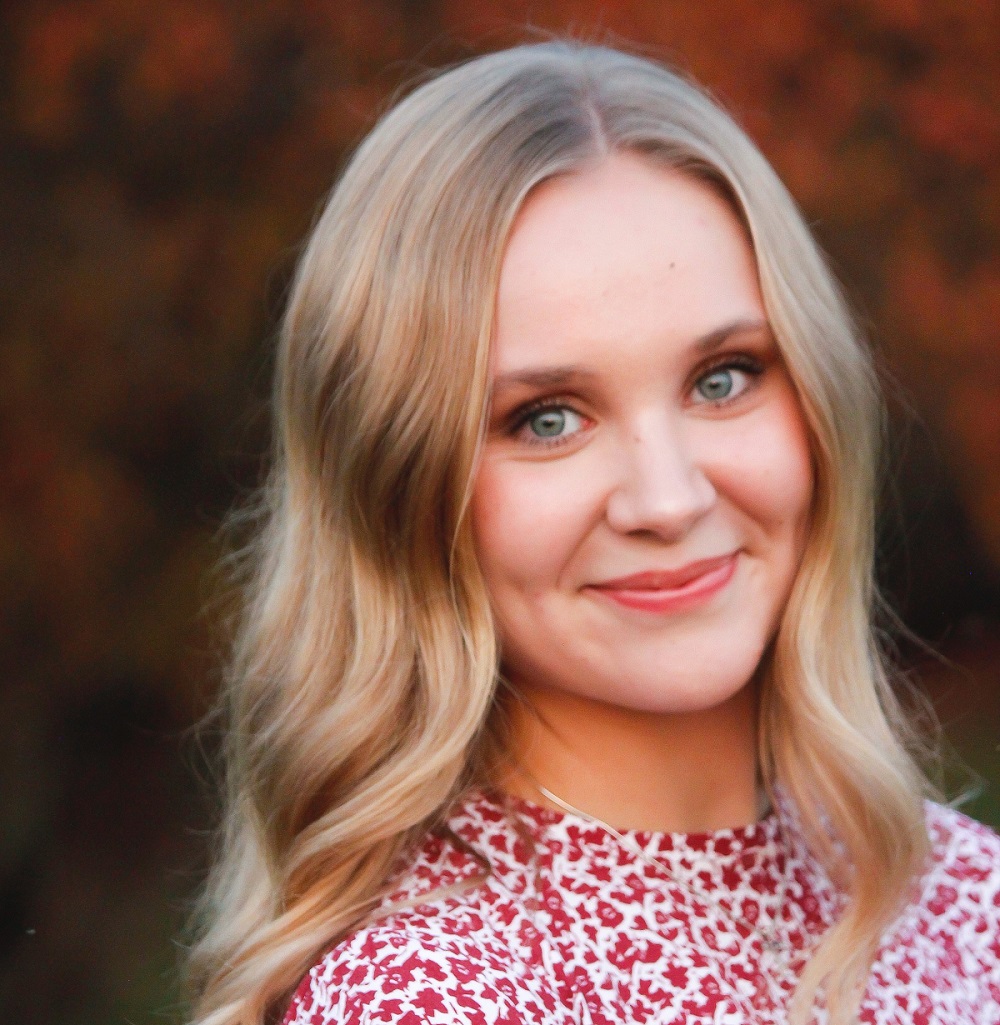
2025 Yamaha

Lilly Streich

5-12 Vocal Music Teacher
Galena Unit School District
Galena, Illinois

Read more
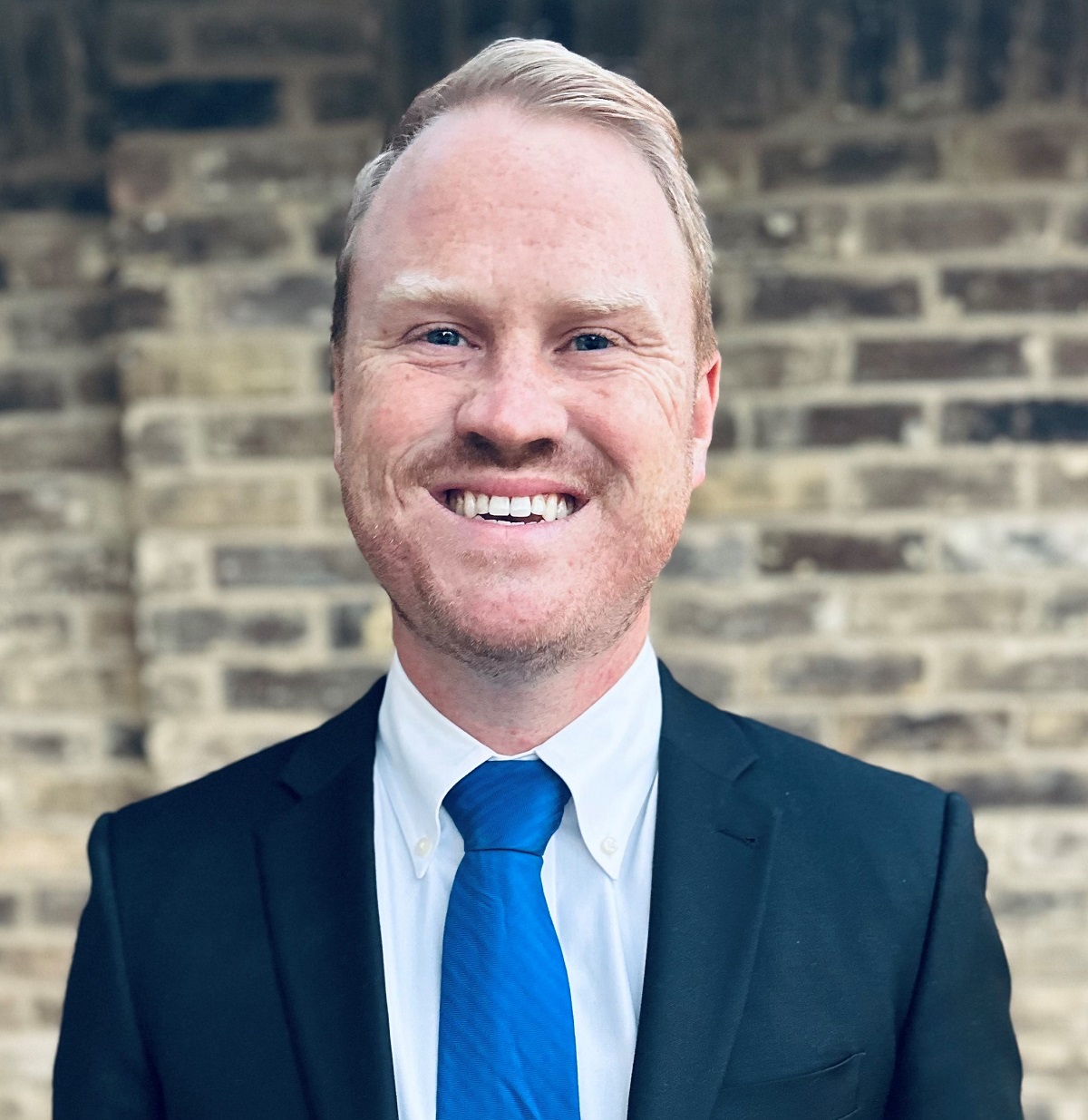
2025 Yamaha

Riley Warren

Director of Percussion, Assistant Band Director
Forney High School
Forney, Texas

Read more
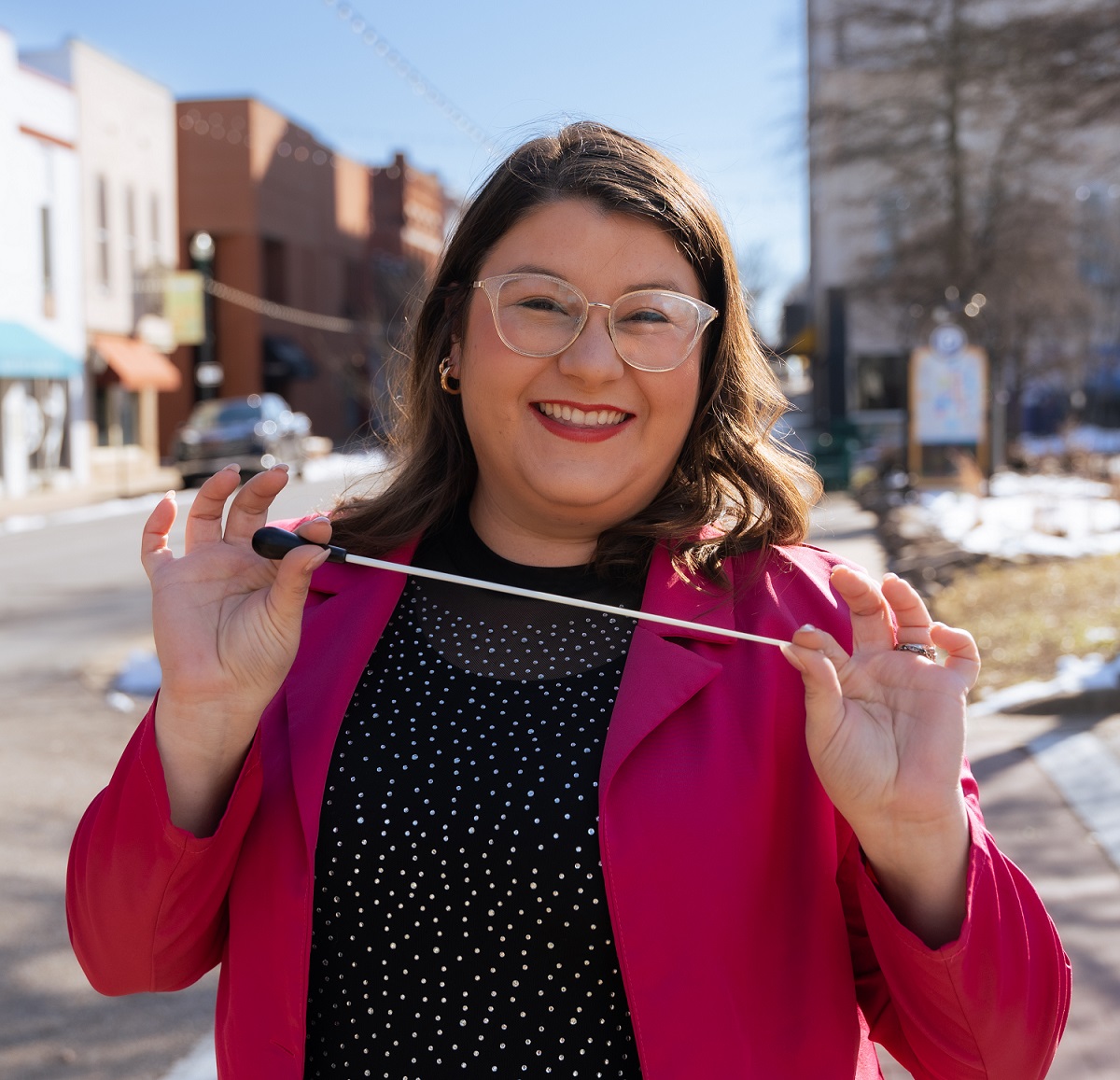
2025 Yamaha

Kim Webb

Director of Bands
Greene County Tech School District
Paragould, Arkansas

Read more
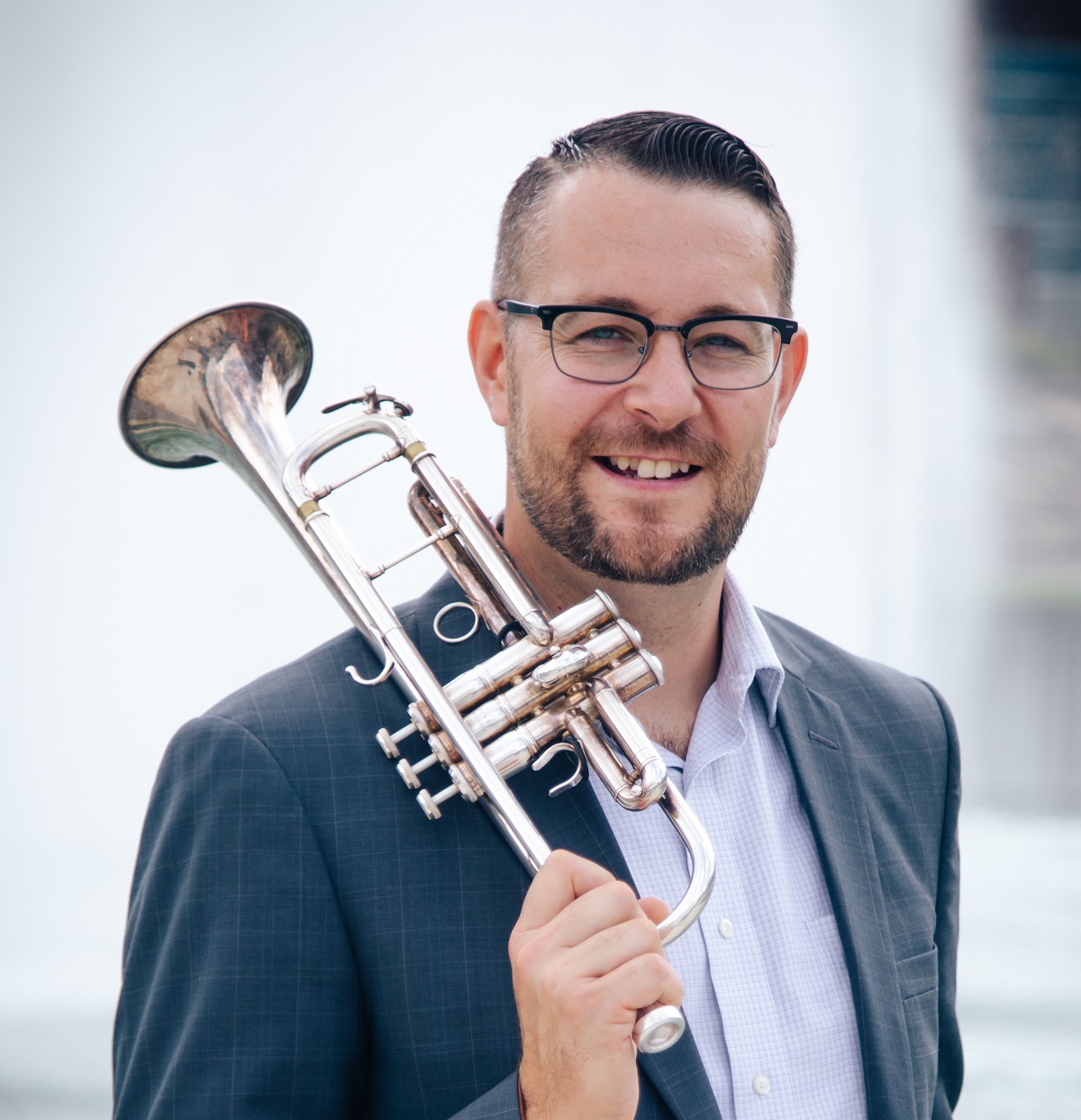
2025 Yamaha

Dr. Aaron J. Witek

Assistant Professor of Trumpet, Coordinator of Brass and Percussion
Stetson University
DeLand, Florida

Read more
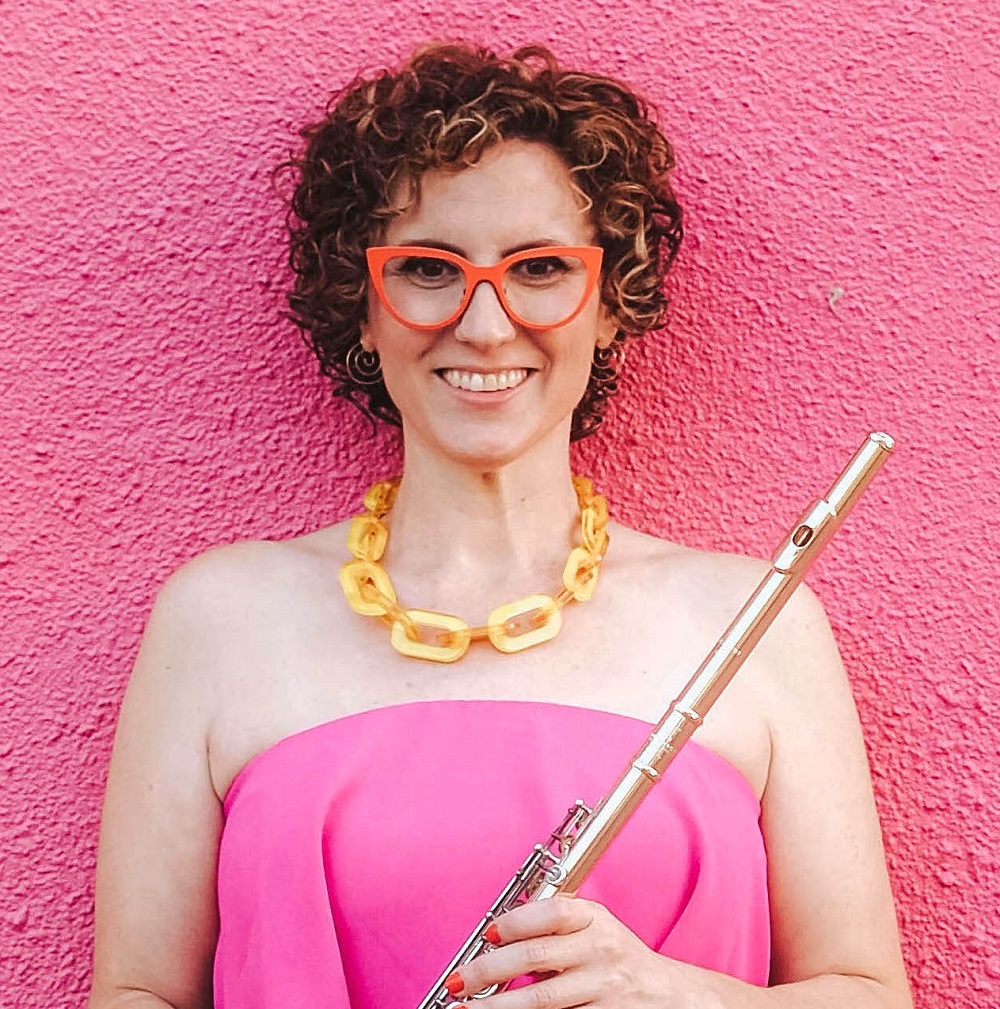
2025 Yamaha

Dr. Rachel Woolf

Assistant Professor of Flute
The University of Texas at San Antonio
San Antonio, Texas

Read more

Continue reading

Jacob Abbott

Back to 40 Under 40

2025 Yamaha

Jacob Abbott

Performing Arts Director
Dresden High School
Dresden, Tennessee

The music program at Dresden High School in Tennessee went from “zero to hero” in the time that Jacob Abbott has served as its Performing Arts Director. Before Abbott came to Dresden, there was only one Music Appreciation class offered. Now, there are several General Music classes, Contemporary Music (ROAR), Choir and the resurrection of the concert band (The Pride of Dresden).

The lack of opportunities for his students was Abbott’s greatest motivator in transforming the program. “Growing up, I had access to a traditional band program and the ability to play in garage bands with my friends. The students at Dresden didn’t have that when I started. Regardless of their ultimate level of achievement, all schools should provide the opportunity for students to explore music,” he explains.

Abbott built the General Music curriculum to cater to students who had no musical experience. “Over the course of the school year, I build complete musicians. These students learn basic rhythm through body percussion and bucket drumming, pitch through boom whackers, piano, ukulele and guitar, and finish the year with various ensemble configurations,” he says. 

The sum of their learning is showcased at a performance in the theater in front of a packed crowd of their peers.

In his Contemporary Music class, students are part of ROAR, a cover band, and learn guitar, bass, keys, and drum set through popular styles of music. ROAR serves as the pep band for multiple home basketball games, performing between quarters and during halftime. “This year, we began learning how to record both full group and individual tracks with a DAW [digital audio workstation], and many students have begun writing their own songs,” Abbott says proudly.

Outside of basketball games, ROAR performs at multiple local events each semester, such as the amateur wrestling fundraiser at Dresden Middle School. “Anywhere I can find a crowd who likes rock and pop music, we show up,” Abbott says with a smile

The idea of bringing back the traditional band started at the middle school level. Rebecca Steele, the Assistant Band Director, was initially hired as a general music teacher for Dresden Middle School. Her class numbers exploded over the first few years, which prompted discussions about bringing back the traditional program. “Initially, we were going to offer it exclusively at the middle school and let the students trickle up to me,” Abbott explains. “However, the 8th graders that year were very vocal about not missing out on the opportunity, so we scheduled both the middle school and high school concert bands simultaneously in 2023. Currently, we have 35 to 40 students in our middle school program, and I have 20 at the high school.”

According to Abbott, the school district provided the necessary funding for his plans for growth, including and materials to get started. “The district purchased a tuba, euphonium and various percussion instruments for each building and created a budget that we have used to overhaul the older instruments left from the original band program,” he says. “Most of our students are renting their horns through Amro Music, but many need a school-owned instrument. Without the district’s support, this band program would not exist.”

The community has also been a source of funding and support. Every public concert has a large crowd, and many local organizations have made donations, which Abbott has used for instruments and materials. “The local paper covers our events regularly, and many individuals and businesses have come forward wanting to support our efforts,” he says. “We are starting to see community members with no direct connection to the schools show up and support the students!”

One of Abbott’s proudest moments happened with his choir. Every December, the choir spends a day caroling at nursing home facilities. “A few years ago, we sang ‘White Christmas’ for a man who was recovering from a stroke. He couldn’t speak, but as we sang, tears started running down his face,” Abbott recalls. “I don’t know how we were able to finish the song because eventually, we were all crying. I found out a few weeks later that the man had passed away right after Christmas, and I am beyond proud that my students made one of his last days so special.”

Continue reading